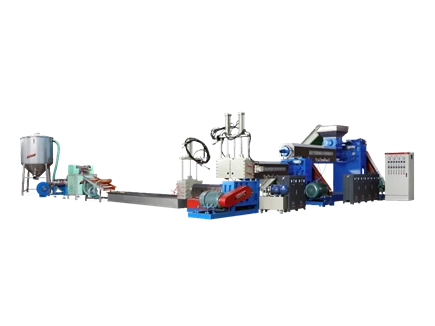
Incoming contamination
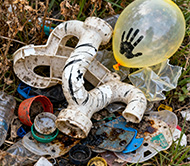
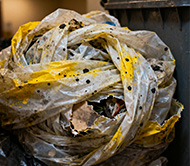
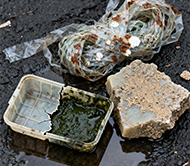
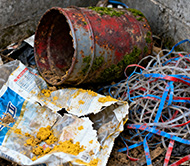
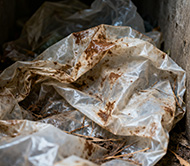
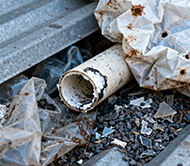
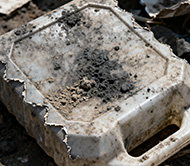
Identify labels, caps, metals, sand, oils, adhesives, organics and mixed polymers. Representative samples help define sorting and washing duty.
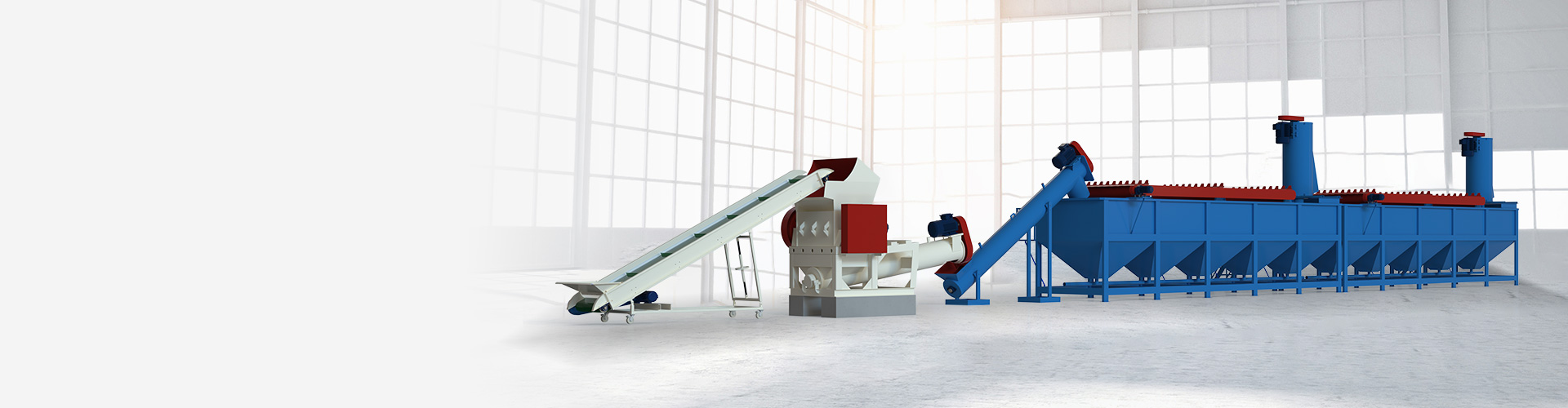
Configure sorting, size reduction, washing, separation and drying around the material entering your plant‑not around a fixed equipment list.
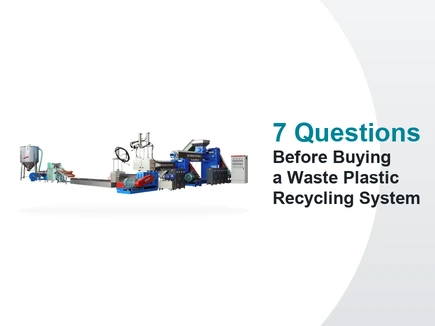
Compare dedicated routes for rigid plastics and PET, then define configuration: required material grades, drying targets and downstream granulation according to your feedstock, required throughput, available utilities and intended flake or pellet use.

Start with polymer, item form and contamination. Confirm the final process against representative feedstock and the required dry‑flake or downstream pelletizing condition.
| System family | Typical feedstock | Main cleaning concern | Configuration focus |
|---|---|---|---|
| Rigid Plastic Recycling and Washing Line | Sorted HDPE, PP and other compatible rigid containers, ports or rigid | Labels, dirt, oils, mixed densities and stable moisture reduction | Sorting, crushing, friction washing, density separation, rinsing and drying |
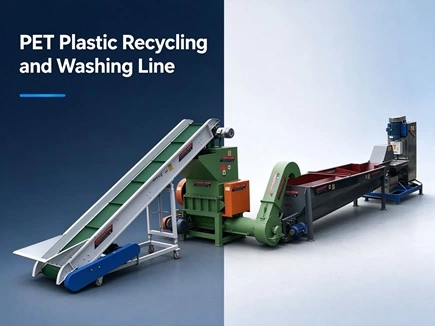
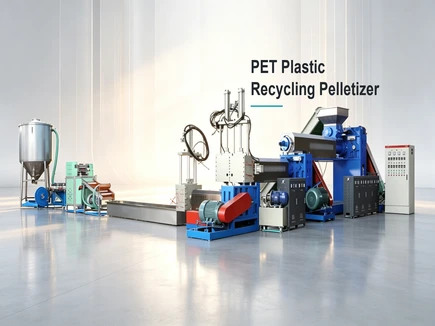
| PET Plastic Recycling and Washing Line | PET bottles or prepared PET packaging feedstock | Labels, caps, adhesives, density separation and final moisture | Pre‑sorting label removal, crushing, washing, separation, rinsing and drying |
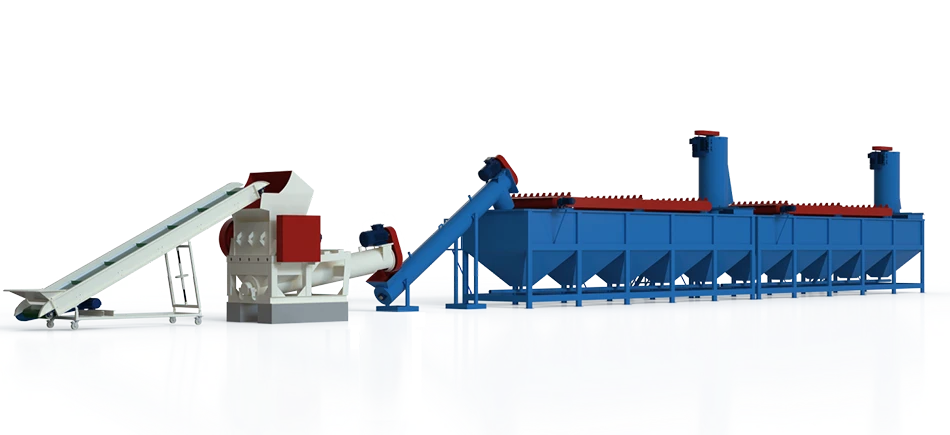
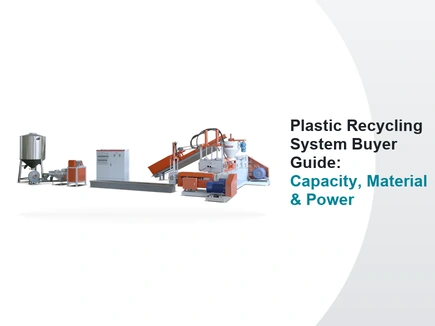
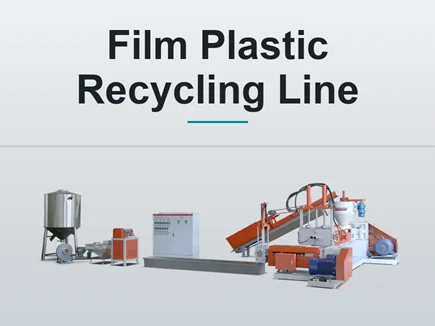
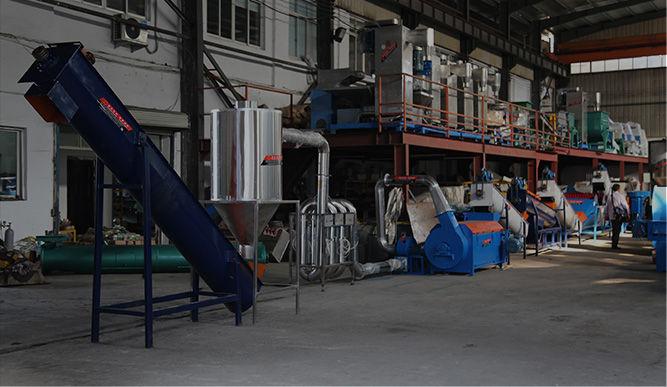
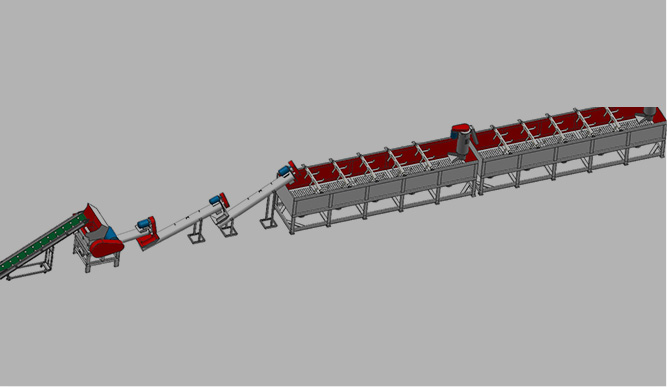
Implement a cleaning and recycling line comprising sorting, crushing, de-metallization, hot and cold washing, high-efficiency friction washing, and drying modules.
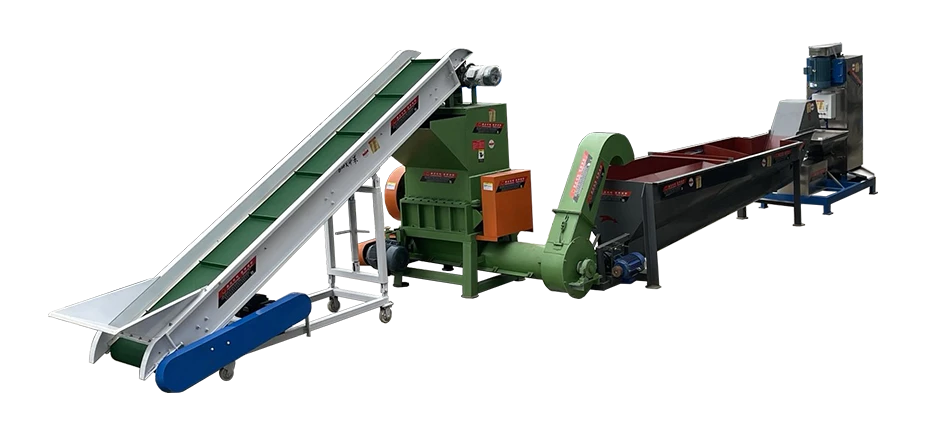
Through deep cleaning and closed-loop water circulation, it drastically cuts water and disposal costs while enabling recycled flakes to enter high-end fiber and packaging markets.


Identify labels, caps, metals, sand, oils, adhesives, organics and mixed polymers. Representative samples help define sorting and washing duty.
Define whether the line should deliver clean dry flakes or connect to downstream granulation, and which moisture and contamination checks are required.
Confirm throughput, operating hours, water quality, power, heating source, drainage, floor space, labor plan and applicable local requirements.
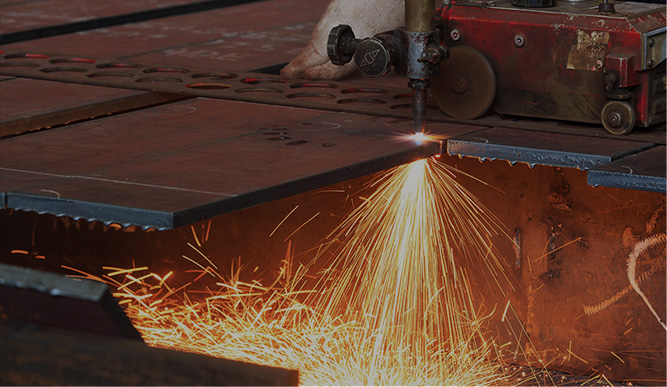
REHOBOTH Closed-Loop Cleaning Line: Ensuring the cleaning process itself leaves no trace of contamination.A complete purification journey from waste materials to high-grade particles—achieving zero discharge of wastewater and exhaust gases within your facility.
Scrap - Cleaning -Crushing - Pelletizing - Environmental Exhaust Treatment - Water Treatment





By choosing Shenghe's closed-loop cleaning line, you're not just purchasing equipment—you're acquiring a “green pass” to sustainable manufacturing for the future.
Contact our engineers today to receive your customized Closed-Loop Cleaning Solution and ROI Analysis Report, detailing your potential cost savings and environmental value creation.


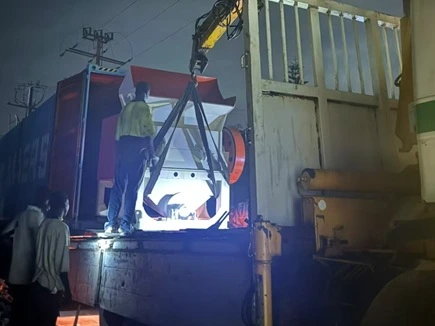
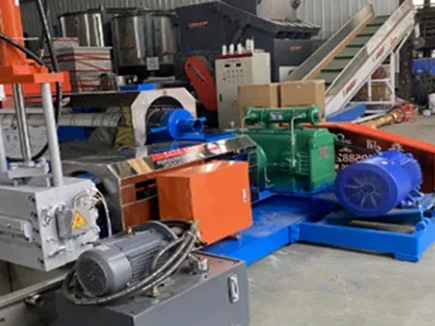
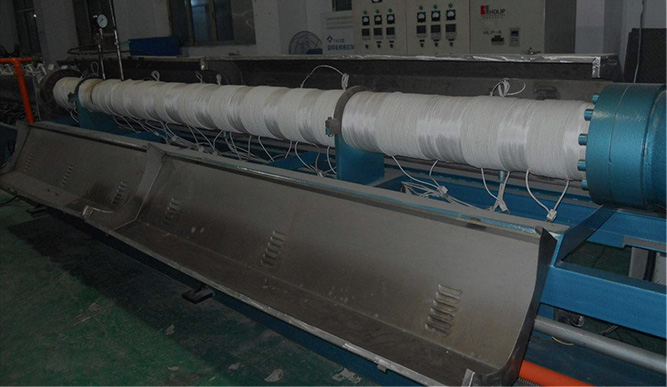
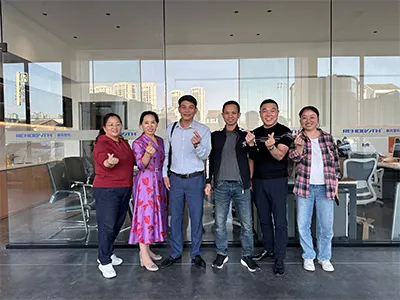
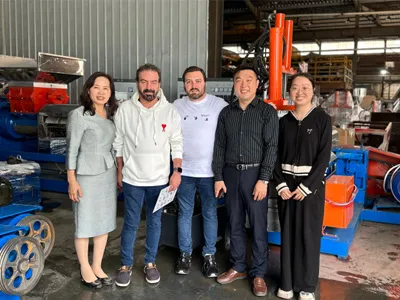
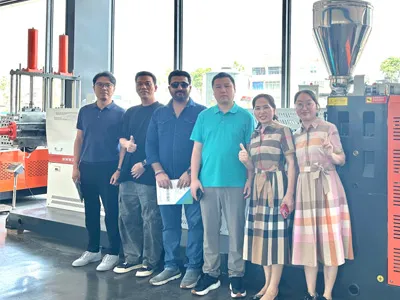
Review the available installation images and request references relevant to your material and line type. Project scope and results should be confirmed separately.
The system features centralized PLC control for real-time monitoring and adjustment. We provide comprehensive installation, commissioning, and operator training, backed by 24/7 remote support and a global spare parts network to maximize your uptime.
Equipped with permanent magnet motors and advanced electromagnetic heating, our system reduces energy consumption by up to 35% per ton of output compared to traditional setups, delivering a faster return on investment.
Our closed-loop system recycles over 95% of process water, drastically reducing freshwater consumption and eliminating wastewater discharge. This not only cuts operational costs but also ensures full environmental compliance.
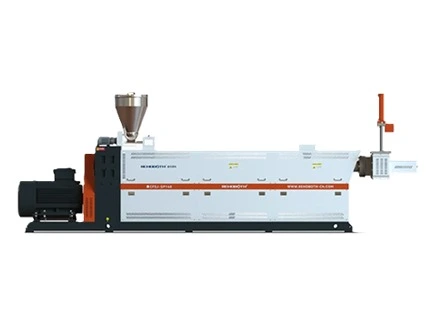
Through a multi-stage process including friction washing, floating separation, and precision filtration, we achieve material purity exceeding 99%. The integrated degassing extruder removes moisture and volatiles, ensuring the pellets' mechanical properties meet manufacturing requirements.
Our system is engineered to handle a wide spectrum of plastics, including PET bottles, HDPE containers, PP woven bags, and LDPE films. It effectively removes contaminants like labels, adhesives, and sand, transforming mixed waste into high-purity, reusable pellets.
Clear feedstock and site data helps define the process stages, water‑management scope and downstream interfaces.




 Connect:
© Ruian Chunfeng Plastic Machinery Co., Ltd All Rights Reserved.

 Download
Manual
Download
Manual Video
Video