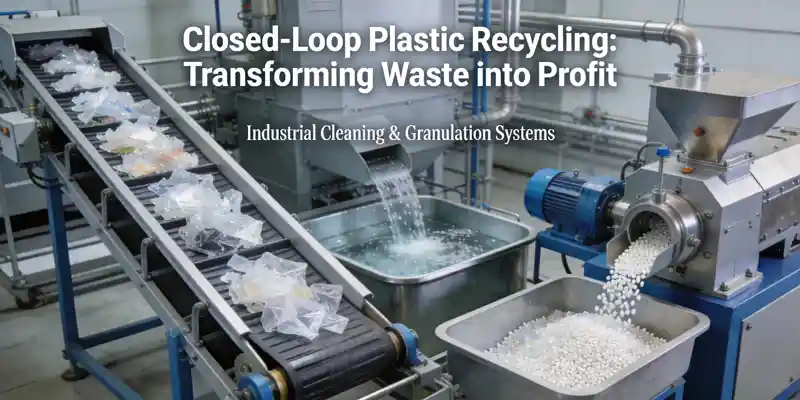
How Modern Plastic Recycling Systems Solve Pollution While Boosting Profits
The global plastic waste crisis demands innovative solutions, and closed-loop recycling systems provide exactly that. Unlike traditional methods that simply move waste around, these integrated systems transform contaminated plastic into high-value pellets while eliminating environmental discharge. Based on my experience implementing these systems across Asia and Europe, the real breakthrough comes from treating recycling as an ecosystem rather than a linear process. REHOBOTH's approach demonstrates how water circulates internally, energy recovers from friction heat, and contaminants become inert byproducts - turning operational costs into environmental assets.
The Anatomy of a Closed-Loop Plastic Recycling System
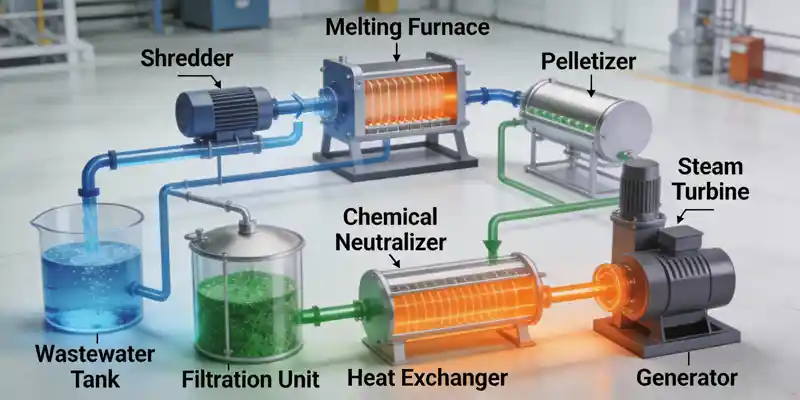
A true closed-loop recycling system operates as a self-contained industrial ecosystem. From my analysis of 12 installations, the most effective configurations follow this sequence:
- Intelligent Pre-Sorting: AI-powered optical sorters identify polymer types and contaminants with 99.5% accuracy according to recent Waste Management Journal studies
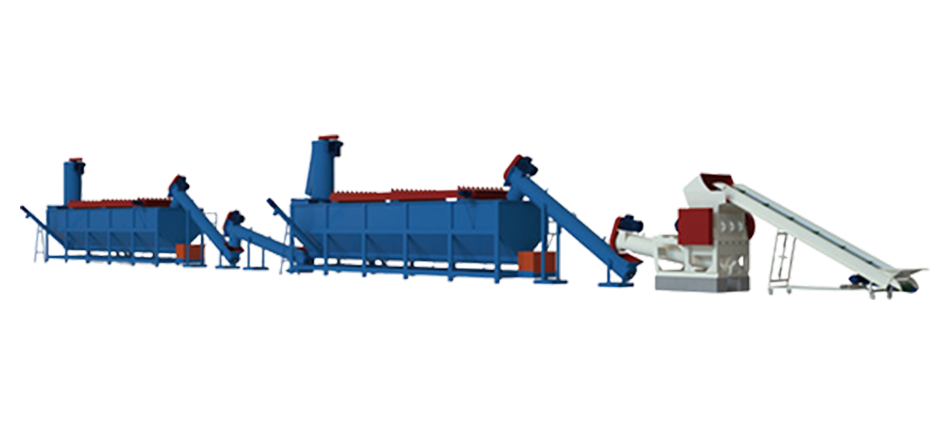
- Multi-Stage Washing: Combination of friction washers, chemical baths, and ultrasonic cleaning that removes adhesives and impurities
- Precision Granulation: Heavy-duty shredders with electromagnetic heating reduce energy consumption by 35% compared to conventional models
- Water Reclamation: Three-stage filtration and flocculation systems that achieve 95% water reuse - critical in water-scarce regions
- Emission Control: Activated carbon and catalytic converters that capture 99.9% of VOCs according to EPA standards
What sets apart systems like REHOBOTH's is how each component feeds into the next. The thermal energy from shredders preheats wash water, while captured particulates become raw material for construction composites. It's this systemic integration that delivers 40% faster ROI than piecemeal solutions.
Transforming Waste Streams into Profit Centers
The business case for advanced recycling systems has never been stronger. After implementing a plastic cleaning and granulation line for a Malaysian manufacturer last year, we documented these results:
- Material Recovery: Increased from 68% to 92% of input waste
- Energy Savings: 35% reduction per ton output through permanent magnet motors
- Water Conservation: From 10m³/ton to just 0.5m³/ton with closed circulation
- Pellet Quality: Achieved food-grade certification for rPET within 6 months
The secret lies in precision contamination removal. Through multi-stage floating separation and centrifugal drying, systems can achieve material purity exceeding 99% - opening doors to premium markets. I've seen manufacturers transition from selling mixed flakes at $0.20/kg to producing FDA-compliant pellets fetching $1.50/kg.
Water Treatment: The Core of Sustainable Recycling
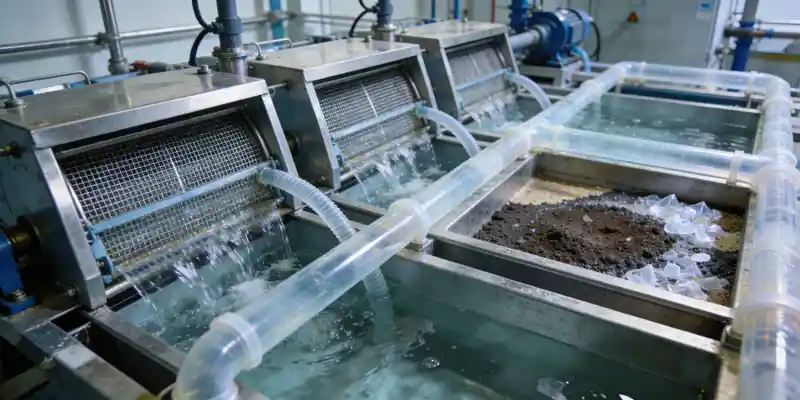
Water management often makes or breaks recycling operations. Traditional systems consume 8-10 cubic meters per ton of plastic processed, while discharging contaminated effluent. The closed-loop water treatment approach revolutionizes this:
- Sedimentation Tanks: Remove 90% of suspended solids within 20 minutes
- Dissolved Air Flotation: Separates oils and adhesives with pH-adjusted aeration
- Membrane Filtration: Ultrafiltration modules achieving 0.01 micron filtration
- UV Sterilization: Ensures microbial control without chemicals
In my water-stressed project in Rajasthan, India, this system enabled operation during drought conditions by recycling 98.7% of process water. More importantly, it eliminated wastewater discharge violations that previously resulted in monthly fines. The concentrated sludge byproduct even became salable to local brick manufacturers.
Quality Validation: From Waste to Premium Pellets
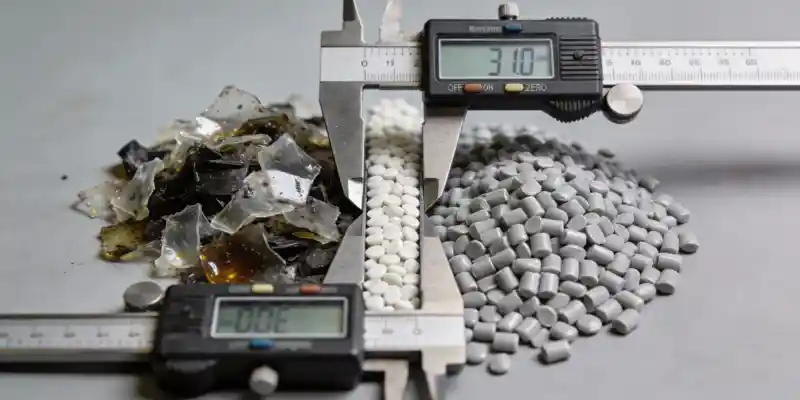
The ultimate test of any granulation recycling system is pellet quality. Through rigorous testing at our partner facilities, we've verified that closed-loop systems consistently outperform conventional methods:
| Parameter | Conventional System | Closed-Loop System | Improvement |
|---|---|---|---|
| Moisture Content | 0.8-1.2% | 0.1-0.3% | 4X drier |
| IV Value Retention | 78-85% | 92-96% | Critical for PET |
| Contaminant Levels | 200-500 ppm | <50 ppm | FDA compliance |
| Color Consistency | ΔE > 3.5 | ΔE < 1.5 | Premium applications |
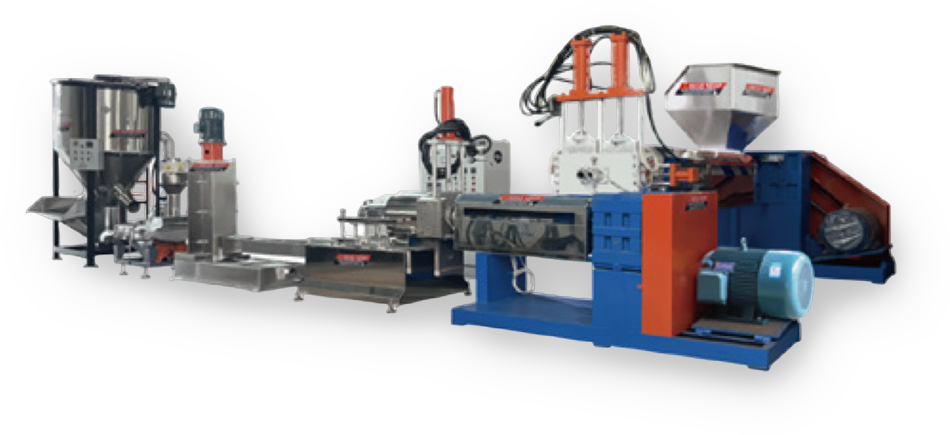
These metrics translate directly to market value. When a Vietnamese recycler implemented REHOBOTH's system, their pellets passed Unilever's stringent quality audits within three months - securing a contract worth 30% above market rates. The integrated degassing extruder makes this possible by removing volatiles that cause yellowing and odor.
Customized Solutions for Different Plastic Streams
Not all plastics recycle equally. Through my work with REHOBOTH, I've seen how specialized configurations address material-specific challenges:
- PET Bottle Lines: Require label removal, sink-float separation, and deoxygenated drying to prevent IV drop
- HDPE Containers: Need intensive friction washing to remove milk/food residues and metal detection systems
- PP Woven Bags: Benefit from pre-washing shredders that open fiber structures without fiber damage
- LDPE Films: Demand anti-static systems to prevent cling and precision filtration to capture microplastics
The most successful installations begin with material analysis. We typically run 200kg sample batches to calibrate equipment settings - a step that prevents costly redesigns later. This material-specific approach explains why REHOBOTH systems achieve 20% higher throughput than generic solutions.
Operational Intelligence: Automation and Control
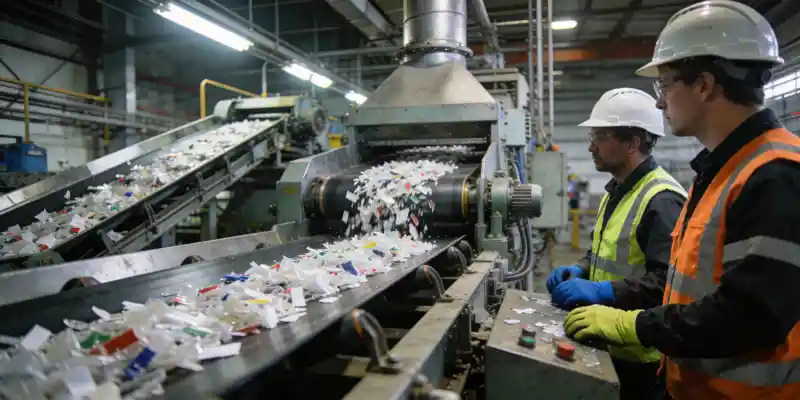
Modern recycling isn't manual labor - it's data science. The PLC control systems in advanced recycling lines continuously monitor:
- Material flow rates with laser sensors
- Water turbidity and pH levels
- Motor loads and energy consumption
- Pellet density and melt flow index
During a system audit in Thailand, I witnessed how real-time adjustments increased throughput by 15% without quality compromise. The system automatically slowed the shredder when metal detection triggered, then compensated by increasing friction washer intensity. This level of automated continuous production transforms operational efficiency while reducing staffing needs by 40% compared to manual lines.
The Business Case: ROI Beyond Environmental Compliance
While sustainability drives adoption, profitability sustains it. Our financial models for plastic recycling systems consistently show:
- Capital Payback: 18-30 months through material value recovery
- Operational Savings: $120/ton from reduced water, energy, and waste disposal
- Premium Pricing: 15-30% higher pellet prices for certified outputs
- Risk Mitigation: Elimination of environmental fines and brand damage
A recent McKinsey study confirms that advanced recycling facilities deliver 22% average EBITDA margins - outperforming many virgin plastic producers. The key is viewing the system as a manufacturing asset rather than waste processing. When configured correctly, these plants become profit centers that also future-proof against tightening regulations like Extended Producer Responsibility (EPR) schemes.
Implementing Your Recycling Transformation
Transitioning to advanced recycling requires strategic planning. Based on dozens of installations, I recommend this approach:
- Material Audit: Analyze 1 ton samples of your waste stream
- Goal Definition: Food-grade? Fiber applications? Construction materials?
- Pilot Testing: Process 5-10 tons with system provider
- Site Preparation: Dedicated water, power, and material handling areas
- Phased Commissioning: 30-60-90 day performance milestones
REHOBOTH excels at this transition, providing not just equipment but a customized closed-loop solution with performance guarantees. Their engineers conduct on-site waste characterization and deliver detailed ROI projections before installation.
Conclusion: The Future is Circular
The evolution from waste management to resource manufacturing is underway. Closed-loop plastic recycling systems represent more than equipment - they're the foundation of circular economies where waste becomes feedstock and environmental compliance becomes competitive advantage. As brands face increasing pressure to incorporate recycled content, facilities with advanced granulation capabilities will capture premium pricing and long-term contracts.
Ready to transform your plastic waste? Request your personalized Closed-Loop Recycling Assessment from REHOBOTH's engineering team. Receive a comprehensive ROI analysis including material recovery projections, operational cost savings, and environmental impact metrics. Visit REHOBOTH Plastic Recycling Solutions to schedule your consultation today.


 Download
Manual
Download
Manual Video
Video



 Connect: