Granulator knife failures typically fall into three categories: accelerated wear, chipping or cracking, and complete breakage. The root causes usually involve improper material feeding, incorrect blade clearance, insufficient lubrication, or using the wrong blade material for the plastic type being processed. Most failures can be prevented through regular inspection, correct clearance adjustment, and matching blade specifications to your specific feedstock.
If you operate a plastic recycling pelletizer, you already know that the cutting knives are among the most critical wear parts in the entire system. When granulator knives fail, production stops, pellet quality suffers, and you face unplanned downtime and replacement costs. Understanding why knives fail—and what you can do about it—is essential for keeping your granulation line running efficiently.
This guide covers the most common granulator knife failure modes, their underlying causes, practical prevention strategies, and a simple inspection checklist you can use on your production floor.
What Does a Granulator Knife Do?
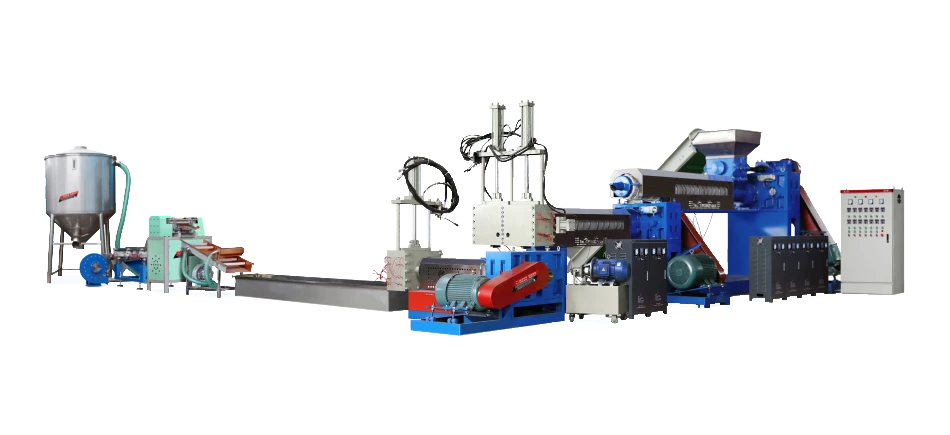
In a plastic recycling granulation system, the cutter (or granulator knife) is responsible for cutting the extruded plastic strand into uniform pellets. The knife works in conjunction with the die face, and the quality of the cut directly affects pellet shape, size consistency, and downstream processing performance.
Most granulation systems use rotating knives that cut the molten plastic as it exits the die holes. These knives operate under high temperatures, continuous friction, and varying material conditions—making them susceptible to several types of wear and failure.
Four Common Granulator Knife Failure Modes
1. Accelerated Wear (Blunting)
What it looks like: The cutting edge becomes rounded or dull, requiring more force to cut. Pellets may appear elongated, tailed, or inconsistently sized.
Why it happens:
-
Processing highly abrasive materials (e.g., glass-filled plastics, heavily contaminated feedstock)
-
Operating at incorrect blade-to-die clearance
-
Insufficient cooling of the die face
-
Extended run times between blade changes
Consequences: Increased motor load, higher energy consumption, poor pellet uniformity, and potential damage to the die face.
2. Chipping and Edge Fracture
What it looks like: Small pieces of the blade edge break off, leaving a jagged cutting surface.
Why it happens:
-
Foreign objects (metal, stones, glass) in the feedstock
-
Thermal shock from rapid temperature changes
-
Blade material too brittle for the application
-
Impact during installation or maintenance
Consequences: Irregular pellets, increased fines (dust), and accelerated wear on the die.
3. Complete Blade Breakage
What it looks like: The knife fractures, often separating from the holder or breaking into multiple pieces.
Why it happens:
-
Severe impact from contaminants
-
Fatigue cracking after prolonged use beyond recommended service life
-
Excessive blade clearance causing the knife to "catch" on the die
-
Improper installation or torque
Consequences: Immediate production stoppage, potential damage to the die and downstream equipment, and risk of contaminating the pellet stream with metal fragments.
4. Uneven Wear
What it looks like: One section of the blade wears faster than others, causing inconsistent cutting across the die face.
Why it happens:
-
Misalignment between the knife and die face
-
Uneven die hole flow (some holes producing more material than others)
-
Worn knife holder or mounting components
Consequences: Partial cutting efficiency, variable pellet quality, and reduced overall output.
Granulator Knife Failure: Causes and Prevention
| Failure Type | Primary Causes | Prevention Measures |
|---|---|---|
| Accelerated wear | Abrasive feedstocks, incorrect clearance, insufficient cooling | Match blade material to feedstock, set correct clearance, optimize die cooling |
| Chipping / fracture | Contaminants, thermal shock, brittle material | Install magnets / screens before feeding, gradual temperature changes, select tougher blade alloy |
| Complete breakage | Impact, fatigue, improper installation | Regular replacement schedule, torque to specification, inspect for cracks |
| Uneven wear | Misalignment, uneven die flow | Check alignment regularly, maintain uniform die temperature and flow |
How to Prevent Granulator Knife Failures
1. Select the Right Blade Material
Not all granulator knives are created equal. The ideal blade material depends on the plastic you are processing:
-
For standard plastics (PE, PP, PS): Standard tool steel blades may be sufficient with regular sharpening.
-
For abrasive plastics (glass-filled, heavily contaminated): Consider blades with higher wear resistance, such as those with carbide coatings or specialized alloy compositions.
-
For high-temperature applications: Blade material must maintain hardness at operating temperatures.
REHOBOTH offers replacement parts and wear components—including pelletizer blades—crafted from selected materials for reliability and longevity. When in doubt, consult your equipment supplier about blade material recommendations for your specific feedstock.
2. Maintain Proper Blade Clearance
Blade-to-die clearance is arguably the most critical adjustment for knife life and pellet quality.
-
Too much clearance: The knife does not cut cleanly, causing tailing and increased wear as the knife struggles to shear.
-
Too little clearance: The knife contacts the die face, causing rapid wear, chipping, and potential damage to both components.
The optimal clearance varies by machine type and material. Always follow the manufacturer's specifications and check clearance regularly—especially after blade changes or when switching between different plastic types.
3. Control Feedstock Quality
Contaminants are among the leading causes of granulator knife damage. Metal fragments, stones, glass, and other hard materials can cause immediate chipping or breakage.
Prevention measures:
-
Install magnetic separators and screening equipment upstream of the granulator
-
Implement a feedstock inspection protocol
-
Consider pre-washing or pre-sorting for heavily contaminated post-consumer waste
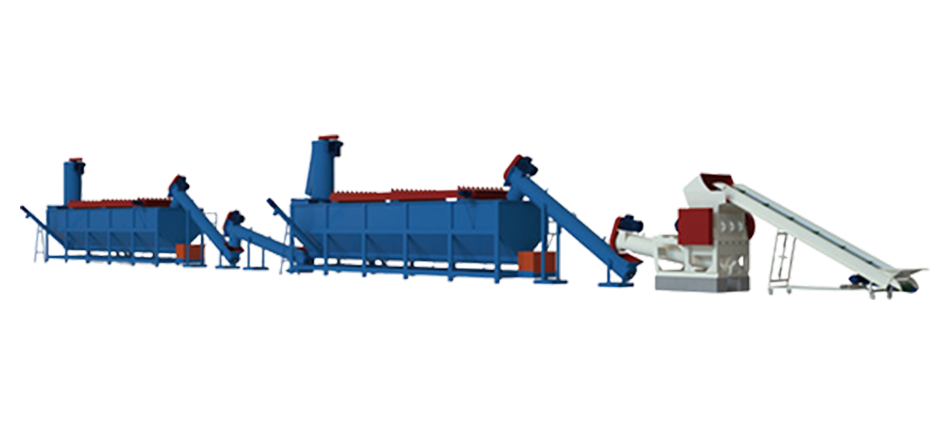
REHOBOTH's waste plastic recycling solutions include equipment for separating and cleaning even the dirtiest raw materials, which can significantly reduce contaminant-related knife damage.
4. Follow a Scheduled Maintenance and Inspection Routine
Granulator knives should be inspected regularly—not only when problems become apparent. A proactive approach prevents unexpected failures and extends blade life.
Key inspection points:
-
Visual inspection of cutting edges for wear patterns, chips, or cracks
-
Measurement of blade clearance
-
Check for secure mounting and correct torque
-
Assess die face condition (damage to the die can accelerate knife wear)
5. Optimize Die Cooling
Inadequate cooling of the die face can cause plastic to stick, increasing cutting resistance and accelerating blade wear. Ensure that the cooling system is functioning properly and that coolant flow and temperature are within specification.
6. Keep Spare Blades On Hand
Even with the best prevention, granulator knives are consumable items with a finite service life. Having a set of pre-sharpened spare blades allows for quick changeovers during scheduled maintenance, minimizing downtime.
REHOBOTH provides quick replacement and global supply of standardized spare parts to reduce machine downtime.
Granulator Knife Inspection Checklist
Use this checklist during routine maintenance to catch potential issues before they cause failures:
- Visual inspection: Examine each blade for wear, chips, cracks, or discoloration
- Clearance measurement: Verify blade-to-die clearance against manufacturer specification
- Mounting security: Check that all bolts are tightened to correct torque
- Die face inspection: Look for scoring, damage, or buildup that could affect cutting
- Cooling system check: Confirm adequate coolant flow and temperature
- Feedstock review: Assess whether recent material changes may affect blade wear
- Runout check: Verify that the knife holder runs true (no excessive wobble)
- Sharpening schedule: Document hours since last sharpening or replacement
Frequently Asked Questions
How often should granulator knives be sharpened or replaced?
Sharpening frequency depends on the material being processed, operating hours, and blade material. Some operations sharpen weekly; others may run for months between sharpening. The key indicator is pellet quality—when you notice tailing, inconsistent pellet size, or increased fines, it is time to inspect and likely sharpen or replace the knives.
What are the signs that granulator knives need immediate replacement?
Immediate replacement is required if you observe chipped or broken blades, excessive wear that cannot be removed by sharpening, or if the blade has been in service beyond its recommended maximum hours. Visible cracks, no matter how small, also warrant immediate replacement.
Can I sharpen granulator knives in-house, or should I use a specialist?
While some operators sharpen in-house using dedicated grinding equipment, proper sharpening requires maintaining the correct geometry and clearance angles. Many facilities prefer to use specialist sharpening services to ensure consistency and prolong blade life.
Does the type of plastic affect how fast granulator knives wear?
Yes, significantly. Abrasive plastics (such as those with glass fiber or mineral fillers) cause faster wear than standard polyolefins. Heavily contaminated post-consumer waste also accelerates wear due to embedded dirt and foreign objects. You may need different blade materials or more frequent sharpening schedules for different feedstocks.
How do I know if blade clearance is set correctly?
Correct clearance is typically specified by the granulator manufacturer. A common indicator is pellet quality—cleanly cut pellets with no tails suggest proper clearance. If you hear metal-on-metal contact or see scoring on the die face, clearance is likely too tight. If pellets are tailed or elongated, clearance may be too wide.
What is the typical service life of a granulator knife?
Service life varies widely—from a few days to several months—depending on the material, operating conditions, and blade quality. Rather than relying on a fixed schedule, base replacement decisions on regular inspections and pellet quality monitoring. Your equipment supplier can provide guidance based on your specific application.
Conclusion
Granulator knife failures are among the most common causes of unplanned downtime in plastic recycling operations. The good news is that most failures are preventable through proper blade selection, correct clearance adjustment, feedstock quality control, and regular inspection.
Key takeaways:
-
Match blade material to your specific feedstock
-
Check and adjust blade clearance regularly
-
Control contaminants upstream
-
Inspect knives on a scheduled basis—don't wait for failure
-
Keep spare blades ready for quick changeovers
If you are experiencing frequent knife failures or want to learn more about the granulation systems and replacement parts available for your operation, review the available configurations and technical specifications of REHOBOTH's waste plastic recycling and granulation systems. For material-specific recommendations, discuss your feedstock and production requirements with the technical team to ensure you are using the right blade solution for your application.


 Download
Manual
Download
Manual Video
Video



 Connect: