If your plastic crusher keeps breaking down, the root cause is usually one of four factors: improper material feed, worn critical components, inadequate maintenance, or mismatched equipment capacity. Most frequent breakdowns can be traced to blade wear, bearing failure, or motor overload — and in many cases, a targeted upgrade is more cost-effective than repeated repairs.
This article walks through the most common failure modes, a practical diagnostic checklist, and the key considerations for deciding whether to repair or upgrade your crusher.
What Counts as “Frequent” Breakdown?
For a plastic recycling operation, any unscheduled stop that requires maintenance intervention more than once per month should be considered frequent. In a well-maintained system, the crusher should run continuously between scheduled maintenance intervals, with only minor adjustments needed.
If you are shutting down weekly — or worse, daily — to clear jams, replace blades, or reset overload protection, your crusher is signaling a systemic problem.
The Four Root Causes of Frequent Crusher Breakdowns
1. Material-Related Issues
The most common cause of crusher failure is feeding material that does not match the equipment’s design specifications. Every crusher is designed for a specific range of material types, hardness levels, moisture content, and feed sizes.
| Material Issue | Consequence |
|---|---|
| Feeding oversized lumps | Rotor jamming, motor overload |
| High moisture content | Material sticking, screen blinding |
| Contamination with metal or stones | Blade chipping, bearing damage |
| Inconsistent feed rate | Uneven wear, thermal overload |
What to check: Review your feed material against the crusher’s rated capacity and recommended feed size. If your waste stream has changed — for example, moving from clean production scrap to post-consumer waste — your crusher may no longer be suitable.
2. Component Wear and Degradation
Crusher components have finite service lives. The most frequently replaced parts include:
-
Blades/knives — wear down with each use; dull blades increase motor load
-
Bearings — suffer from contamination, inadequate lubrication, or misalignment
-
Screens — wear out from abrasive materials
-
Belts and pulleys — stretch and degrade over time
A crusher that runs 8 hours per day, 5 days per week will typically require blade sharpening or replacement every 3 to 6 months, depending on the material being processed. If you are replacing blades monthly, your wear rate is abnormally high.
3. Maintenance Gaps
Many breakdowns are preventable with regular maintenance. Common maintenance gaps include:
-
Insufficient or incorrect lubrication of bearings
-
Failure to check and adjust belt tension
-
Not clearing material buildup from the crushing chamber
-
Ignoring unusual vibration or noise until failure occurs
REHOBOTH provides installation, testing, and training services to help customers establish proper maintenance protocols. If your team has not received formal training on your specific crusher model, this could be a contributing factor.
4. Capacity Mismatch
Perhaps the most overlooked cause: the crusher is simply too small for your current production volume. When a crusher is operated above its rated throughput, every component is subjected to excessive stress:
-
Motors run hotter and trip more frequently
-
Bearings wear out faster
-
Blades dull more quickly
-
The entire drive train experiences accelerated fatigue
If your production volume has increased since the crusher was installed, the equipment may need to be upsized.
Diagnostic Checklist: Is It Time to Repair or Upgrade?
Before making any decision, run through this checklist:
| Check Item | What to Look For | Action if Issue Found |
|---|---|---|
| Blade condition | Chipped, rounded, or uneven edges | Sharpen or replace |
| Bearing temperature | Excessive heat (over 70°C) | Check lubrication, replace if damaged |
| Motor current | Consistently near or above rated amperage | Investigate load cause |
| Vibration level | Unusual or increasing vibration | Check rotor balance, bearing alignment |
| Output particle size | Inconsistent or oversized output | Check screen condition, blade sharpness |
| Feed material | Change in type, size, or moisture | Re-evaluate equipment suitability |
| Maintenance records | Frequency of unscheduled stops | Identify pattern |
If three or more items on this checklist show issues, a comprehensive upgrade or replacement should be considered.
Upgrade Strategy: What Are Your Options?
If your diagnostic checklist indicates that repairs are no longer sufficient, consider these upgrade pathways:
Option 1: Component-Level Upgrades
Sometimes a full machine replacement is not necessary. Targeted upgrades can extend equipment life:
-
Upgrade to higher-grade blade materials — such as tool steel or carbide-tipped blades for abrasive materials
-
Install electromagnetic heating on downstream equipment to reduce overall energy consumption. Electromagnetic heaters offer energy efficiency gains of approximately 30%–70% compared to traditional resistance heating coils.
-
Add a variable frequency drive (VFD) to better control motor speed and reduce mechanical stress
-
Upgrade bearings to higher-load-capacity models
Option 2: System-Level Reconfiguration
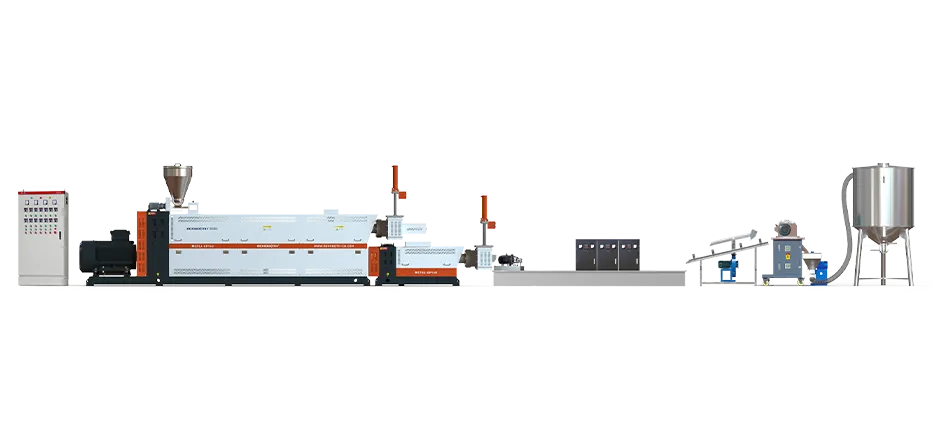
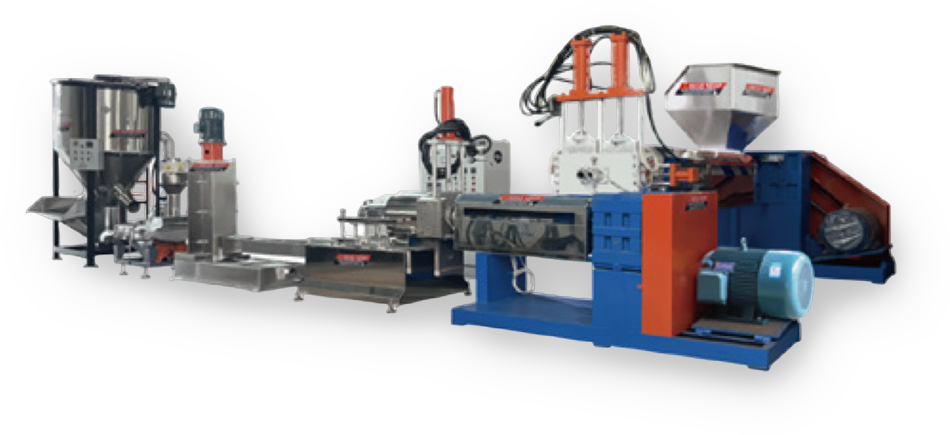
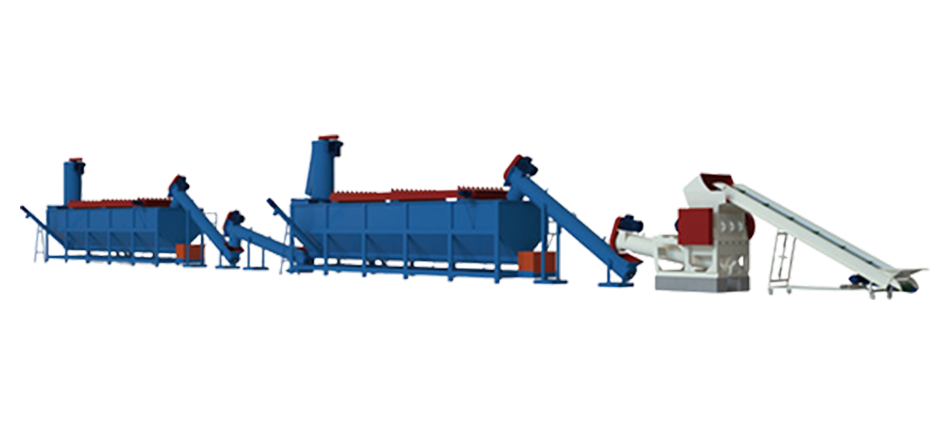
If your crusher is part of a larger granulation line, consider whether the entire system needs rebalancing. A bottleneck at the crusher affects every downstream process — washing, drying, pelletizing, and packaging.
REHOBOTH offers comprehensive waste plastic processing solutions that can be customized based on different material characteristics and market demands. Review the available configurations for your specific application.
Option 3: Full Equipment Replacement
When the crusher is more than 7–10 years old, or when repair costs exceed 50% of the replacement cost, full replacement is usually the more economical choice. Newer models offer:
-
Improved energy efficiency
-
Better automation and control
-
Enhanced durability through advanced materials
-
Easier integration with modern production lines
How to Choose the Right Crusher for Your Upgrade
When selecting a new crusher, consider these factors:
| Factor | Why It Matters |
|---|---|
| Material type | Different plastics (PP, PE, PET, ABS, PA, PVC, PC, POM, etc.) have different hardness and abrasiveness |
| Throughput requirement | Match rated capacity to your actual production volume |
| Feed size | Ensure the crusher can accept your largest material pieces |
| Desired output size | Affects downstream pelletizing efficiency |
| Moisture content | Some crushers handle wet materials better than others |
| Automation level | Higher automation reduces labor costs and human error |
REHOBOTH’s technical R&D team has over 30 years of industry experience and can provide professional guidance on equipment selection. If you have special materials that need to be processed, customized solutions are available.
Common Crusher Problems and Their Causes
| Symptom | Most Likely Cause | Recommended Action |
|---|---|---|
| Machine stops during operation | Overload or jam | Check feed size and rate |
| Excessive noise | Bearing wear or loose components | Inspect and replace bearings |
| Poor output quality | Dull blades or worn screen | Sharpen blades, replace screen |
| Motor overheating | Undersized motor or poor ventilation | Verify motor rating, clean cooling fins |
| Frequent belt breakage | Misalignment or incorrect tension | Realign pulleys, adjust tension |
| Material not feeding | Bridging or improper rotor design | Review material handling upstream |
Maintenance Best Practices to Prevent Breakdowns
A proactive maintenance program can reduce unplanned downtime by 50% or more. Implement these practices:
-
Daily: Visual inspection, listen for unusual noise, check motor temperature
-
Weekly: Check blade sharpness, inspect belts and pulleys, clear material buildup
-
Monthly: Lubricate bearings, check all fasteners, review motor current readings
-
Quarterly: Comprehensive inspection of all wear parts, alignment check
-
Annually: Full system evaluation, consider component replacement based on wear
REHOBOTH provides detailed user manuals and instructional videos to support proper operation and maintenance. Engineers also conduct global service tours to help customers optimize equipment operation.
FAQ
Q: How often should crusher blades be replaced?
A: Blade replacement frequency depends on the material being processed and operating hours. For most plastic recycling applications, blades typically need sharpening every 3–6 months and full replacement every 12–18 months. High-abrasion materials like glass-filled plastics may require more frequent changes.
Q: Can a worn crusher be upgraded instead of replaced?
A: Yes. Depending on the machine’s age and condition, component upgrades — such as higher-grade blades, improved bearings, or VFD installation — can extend service life. If the main frame and motor are in good condition, upgrades are often cost-effective.
Q: What causes a crusher to jam repeatedly?
A: Repeated jamming is usually caused by oversized feed material, inconsistent feed rate, or material with high moisture or contamination. Check your feed preparation process and ensure material meets the crusher’s specifications.
Q: How do I know if my crusher is undersized for my operation?
A: Signs include: motor current consistently near maximum rating, frequent thermal overload trips, rapid blade wear, and inability to maintain rated throughput. Compare your actual production volume against the crusher’s designed capacity.
Q: What is the typical lifespan of a plastic crusher?
A: With proper maintenance, a well-built plastic crusher can last 10–15 years. Component replacement (blades, bearings, belts) is expected during this period. The key is distinguishing between normal wear and systemic issues.
Conclusion
Frequent crusher breakdowns are rarely caused by a single factor. The most effective approach is systematic: diagnose the root cause, implement a maintenance program, and evaluate whether a targeted upgrade or full replacement makes more financial sense.
Key takeaways:
-
Check material compatibility first — it is the most common overlooked cause
-
Track maintenance frequency to identify patterns
-
If three or more diagnostic items are problematic, plan an upgrade
-
Consider total cost of ownership, not just repair costs
If you are experiencing frequent crusher breakdowns and are unsure whether to repair or upgrade, review the available plastic granulation system configurations or contact REHOBOTH to discuss your specific material and production requirements.


 Download
Manual
Download
Manual Video
Video



 Connect: