Recycling polypropylene (PP) woven bags into reusable plastic pellets is a practical way to manage post-industrial and post-consumer waste. However, the process presents specific challenges not always encountered with other plastic films. The key to a successful operation lies in understanding the material's properties—its bulk density, contamination levels (inks, dirt), and moisture—and configuring the granulation line accordingly. This article outlines the critical process considerations for woven bag recycling, helping you identify the technical factors that influence pellet quality and line stability.
Understanding the Feedstock: PP Woven Bags and Sacks
Woven bags, commonly used for packaging cement, grain, fertilizer, and chemicals, are typically made from polypropylene (PP) tapes or fibers. This construction gives them high tensile strength but also creates a unique set of challenges during recycling:
-
Bulk Density: Woven bags have a very low bulk density, similar to other films. This makes them difficult to feed into a standard extruder without pre-conditioning.
-
Contamination: Bags are often heavily printed with inks and can contain residual dirt, dust, or organic matter from their contents. Some may also have a laminated layer (e.g., BOPP film) for better printability.
-
Moisture: Depending on storage and washing, moisture content can be variable.
-
Fines and Dust: Shredding or grinding woven bags can generate a significant amount of fines, which can affect the extrusion process.
The Granulation Process: Key Stages and Woven Bag-Specific Challenges
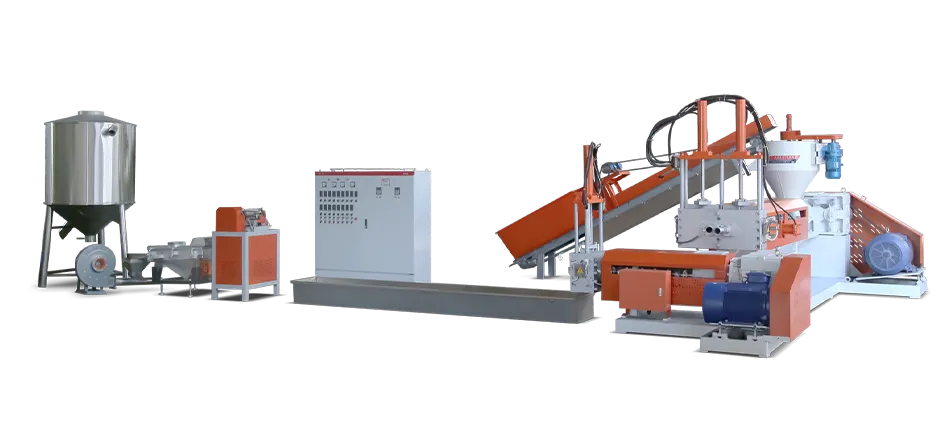
A standard plastic granulation line consists of feeding, extrusion, melt filtration, pelletizing, and cooling. The main differences when processing woven bags lie in the preparation and feeding stages.
1. Preparation and Feeding: The Critical First Step
Feeding low-bulk-density woven bags directly into an extruder screw is inefficient and can cause bridging and surging. The material must be densified or compacted first.
-
Challenge: How to consistently feed shredded woven bag material into the extruder.
-
Common Solution: A cutter-compactor (also known as an agglomerator) is often integrated before the extruder. This unit uses friction heat to pre-heat, compact, and densify the shredded material, ensuring a stable, high-throughput feed into the extruder. This is a critical component for the film plastic recycling line.
-
Consideration: The cutter-compactor also helps initiate the removal of surface moisture and some volatiles through its venting system.
2. Extrusion and Degassing: Removing Moisture and Volatiles
As the densified material is melted in the extruder, any remaining moisture, trapped air, and volatiles from inks or contaminants must be removed to prevent defects in the final pellets.
-
Challenge: Printed inks and absorbed moisture can cause bubbles, odor, and weakness in the pellets.
-
Solution: A properly configured vacuum degassing system on the extruder is essential. It draws off gases and moisture under vacuum, significantly improving the melt quality and pellet integrity. This is a standard feature on systems designed for printed or contaminated materials.
3. Melt Filtration: Managing Contaminants
The level of contamination dictates the filtration requirements.
-
Challenge: Removing dirt, paper labels, and solid contaminants from the melted polymer without constantly clogging the filter screen.
-
Solution: Using a hydraulic screen changer allows for quick screen replacement with minimal production interruption. For heavily contaminated material, a dual-channel filter or a back-flushing screen changer might be recommended to improve continuous operation. The target pellet quality (e.g., for film or injection molding) will determine the appropriate mesh size.
4. Pelletizing and Post-Processing
Once filtered, the melt is extruded through a die and cut into pellets. The pelletizing method (strand or underwater) depends on the throughput and material properties.
-
Challenge: Ensuring uniform pellet size and shape for easy handling.
-
Solution: A water-ring or underwater pelletizer provides consistent cutting and cooling. After cutting, pellets are dried to remove surface moisture and then conveyed to storage.
Key Selection Factors for a Woven Bag Recycling Line
When planning a system for woven bag recycling, the following parameters should be discussed with your equipment supplier:
| Factor | Why It Matters | Typical Consideration for Woven Bags |
| Throughput Rate | Determines the system's production capacity and return on investment. | Define your target kg/h or lbs/h based on available feedstock. |
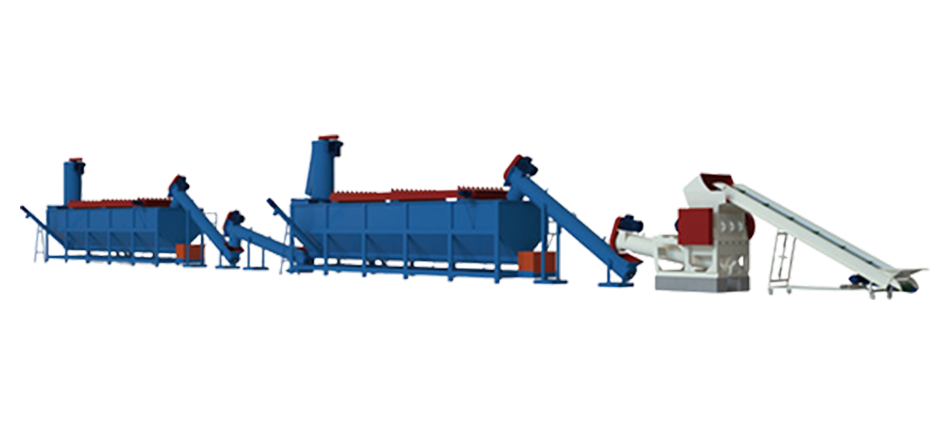
| Material Condition | Dictates the necessary pre-treatment and filtration. | Are the bags post-industrial (clean, printed) or post-consumer (dirty)? Heavy contamination may require washing upstream of the granulation line. |
| Feeding System | Prevents production bottlenecks. | A cutter-compactor is often essential for this material. Evaluate the cutter-compactor's capacity and power. |
| Filtration System | Maintains pellet quality and line uptime. | Estimate screen changes per shift based on contamination. Choose a screen changer for your operational needs. |
| Pellet Quality Requirements | Defines the acceptable level of impurities and pellet uniformity. | Determine the final application (e.g., new woven bags, injection molded parts) to set quality standards. |
Checklist for Evaluating Your Woven Bag Recycling Project
Before you proceed with a technical proposal, prepare the following information:
-
Material Source: Where does the waste come from? (e.g., factory scrap, post-consumer collection).
-
Typical Contamination: What type of ink is used? Is there dirt or organic residue? Are there labels or tapes?
-
Moisture Level: Is the material dry or wet? If wet, is there a washing and drying step planned?
-
Desired Throughput: What is the hourly output you need to achieve?
-
Pellet End-Use: What will the pellets be used for? (e.g., blow molding, film, injection molding).
Frequently Asked Questions (FAQ)
Q1: Can woven bags be recycled with the same line as other plastic films?
A: Yes, a line designed for flexible films—often called a film plastic recycling line—is suitable. However, the line configuration (especially the feeder and filtration) should be confirmed based on the specific type and contamination level of the woven bags.
Q2: Is pre-washing necessary for recycling PP woven bags?
A: It depends on the contamination level. Post-industrial bags with only ink may be processed without washing, using strong degassing and filtration. Post-consumer bags contaminated with dirt, organic matter, or other foreign materials will typically require a washing and drying stage before granulation.
Q3: What is the main cause of poor pellet quality when recycling woven bags?
A: The most common causes are incomplete degassing (leading to porosity), inadequate filtration (leading to black specks or contamination), and uneven feeding (leading to variable pellet size and shape). Each issue points to a specific part of the line configuration.
Q4: Can the ink on the printed bags be completely removed during the granulation process?
A: While degassing removes ink volatiles, the pigment itself becomes part of the melt and can affect the pellet's color. For color-critical applications, the pellets are typically best suited for darker products or require compounding with virgin material. Heavy printing may necessitate more advanced filtration.
Q5: How does the machine configuration change for heavily printed woven sacks?
A: Processing heavily printed sacks will place a higher demand on the degassing system to manage the gases released from the ink. It may also require a more robust filtration system with finer mesh screens or a screen changer with a larger filtration area to handle the increased contaminant load.
Conclusion
Recycling PP woven bags into pellets involves navigating challenges related to feeding, moisture, and contamination. The success of your project hinges on accurately assessing your material's condition and selecting the appropriate line configuration, particularly the feeding system (like a cutter-compactor), degassing capacity, and filtration setup. By preparing detailed information about your material and production goals, you can work with your equipment supplier to define the right solution.
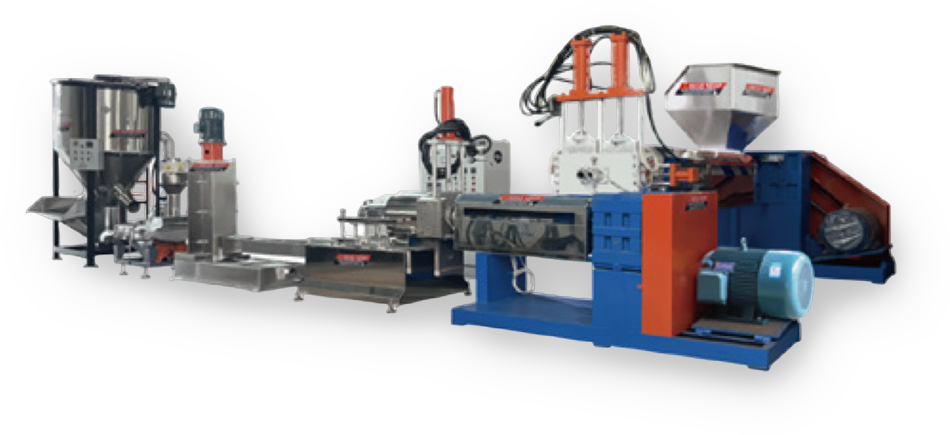
To explore the technical specifications of a granulation system suitable for flexible materials like woven bags, you can review the configurations available for the film plastic recycling line. The engineering team can then help match the process to your specific feedstock and pellet requirements.


 Download
Manual
Download
Manual Video
Video



 Connect: