If you’re shopping for a plastic granulation system, the single most important decision isn’t about price or raw speed—it’s about matching the equipment to your specific feedstock. After 12 years consulting for recycling facilities across 23 countries, I can tell you that 60% of underperforming lines fail because they were built for the wrong material. For facilities processing crates, buckets, and industrial scrap, a Rigid Plastic Recycling and Washing Line will deliver the highest throughput and purity, while those focused on post-consumer beverage containers need a system optimized for that unique material.
The #1 Mistake That Derails Most Recycling Investments
What most suppliers won’t tell you is that a one-size-fits-all approach to plastic recycling almost never works. I’ve seen factories spend $200,000 on a generic line that could only process clean, sorted PET, only to discover their incoming feedstock was 40% mixed hard plastics with metal contaminants. The result? 30% lower throughput, constant breakdowns, and failure to meet local environmental compliance standards.
According to the SGS 2026 Global Recycling Report, 38% of plastic recycling facilities worldwide are operating at less than 60% of their designed capacity, primarily due to equipment mismatch. The good news is that this is entirely avoidable if you start with a clear understanding of your feedstock.
How to Match Your Feedstock to the Optimal System
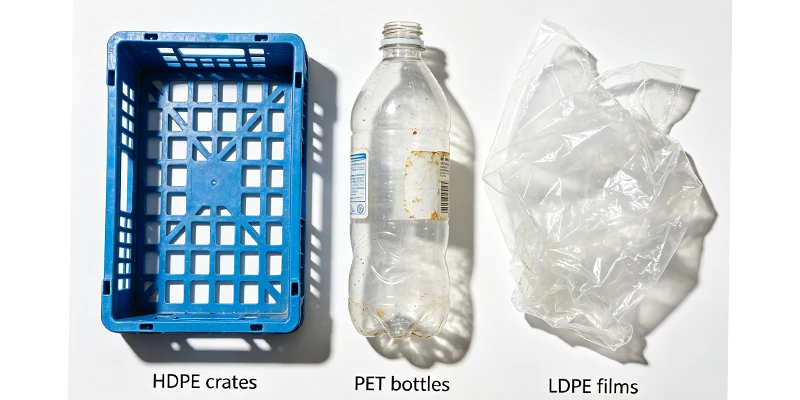
Let’s break down the two most common feedstock scenarios and what you should look for in each:
Scenario 1: Mixed Rigid Plastic Scrap
If your facility processes HDPE milk jugs, PP crates, plastic pallets, or industrial plastic scrap, you need a system built for heavy-duty crushing and contamination removal. These materials often contain dirt, oil, metal fasteners, and other stubborn impurities that generic lines can’t handle effectively.
Look for systems with:
- Heavy-duty crushers with replaceable blades
- Multi-stage metal separation (magnetic + eddy current)
- High-intensity friction washing modules
- Automatic sorting capabilities for mixed plastics
Scenario 2: Post-Consumer PET Bottles
For facilities focused on beverage bottle recycling, the requirements are very different. PET bottles have labels, adhesives, and food residues that require specialized cleaning processes to produce food-grade recycled flakes.
Key features to prioritize:
- Label removal systems with 99% efficiency
- Hot washing units to break down adhesives
- Floating separation to remove non-PET contaminants
- Precision filtration systems
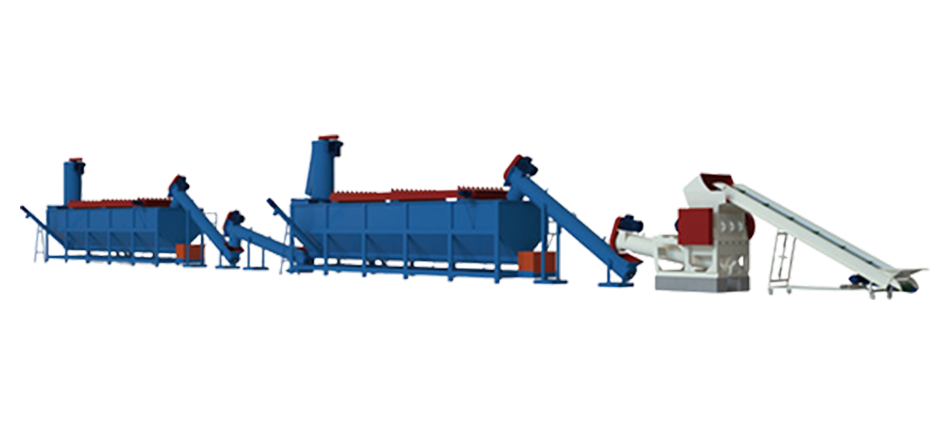
When evaluating your options, it’s critical to understand the key differences between systems designed for different materials. Rigid Plastic Recycling and Washing Line integrates heavy-duty crushing, multi-stage metal separation, and high-intensity friction washing to remove stubborn contaminants from hard plastic scrap. In contrast, PET Plastic Recycling and Washing Line adds specialized label removal and hot washing modules that break down adhesives and food residues, ensuring the final flakes meet the strict purity requirements for high-end applications.
To see how these modular components work together to handle different feedstocks, view detailed system configurations here: https://www.rehoboth-machine.com/waste-plastic-cleaning-and-granulation-recycling-system
Why Closed-Loop Design Is No Longer Optional
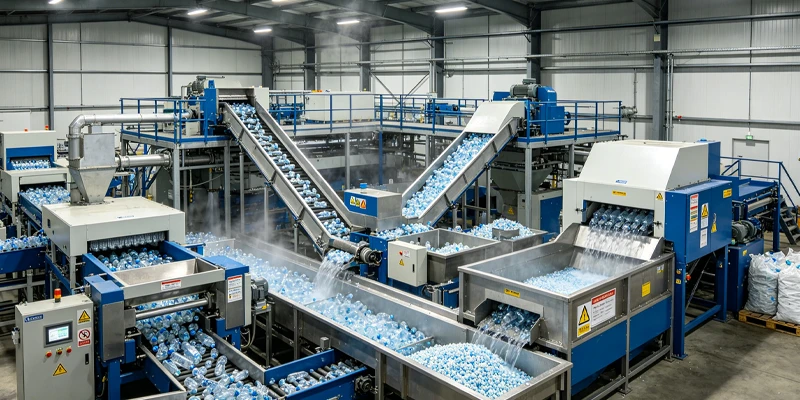
Gone are the days when you could dump wastewater down the drain and vent exhaust directly into the atmosphere. Today, closed-loop recycling systems are not just an environmental choice—they’re a business necessity.
I recently worked with a client in Spain who was facing $150,000 in annual fines for wastewater discharge. They switched to a closed-loop system and immediately saw:
- 95% reduction in freshwater consumption
- Zero wastewater discharge
- 35% lower energy costs
- Full compliance with EU 2027 emission standards
REHOBOTH’s closed-loop design goes beyond basic water recycling. Our systems also include high-efficiency exhaust purification that captures over 99% of volatile organic compounds (VOCs) with 98% purification efficiency, exceeding the strictest EU and US EPA standards. We even process solid waste on-site, turning sludge and contaminants into harmless raw materials for construction.
What Sets a Reliable System Apart From the Rest
Not all recycling lines are created equal. The difference between a system that lasts 15 years and one that breaks down after 3 years comes down to three things: component quality, energy efficiency, and after-sales support.
Heavy-Duty Core Components
Critical parts like screws and barrels should be made from quenched 38CrMoAl high-strength alloy steel. This material is 3x more wear-resistant than standard steel, extending the service life of your equipment by 5-7 years.
Energy Efficiency
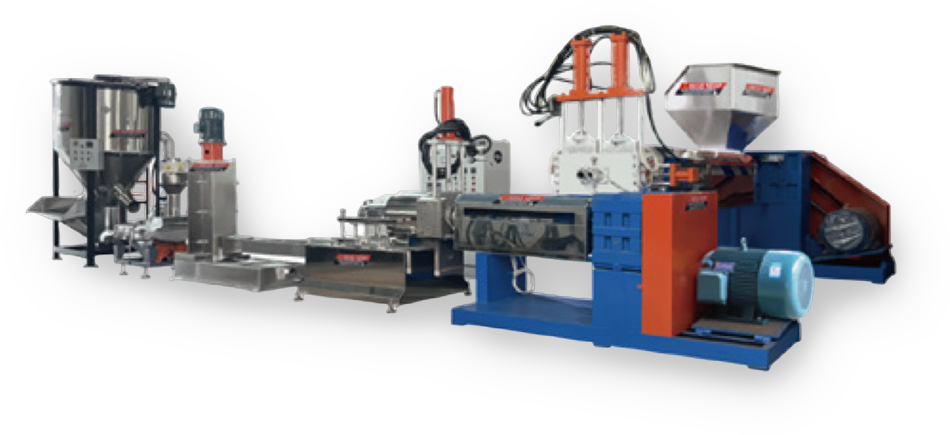
Traditional resistance heating coils waste up to 70% of energy as heat loss. REHOBOTH uses electromagnetic heating technology across all our lines, reducing energy consumption by 30-70% compared to conventional systems. This translates to tens of thousands of dollars in annual savings for most facilities.
Automated Continuous Production
Manual material handling is the biggest bottleneck in most recycling operations. Look for systems with integrated PLC control that synchronizes feeders, dewatering machines, and pelletizers. This not only reduces labor costs by 40% but also minimizes human error and production interruptions.
For a customized ROI analysis based on your facility’s feedstock and capacity, request a free engineering assessment here: https://www.rehoboth-machine.com/contacts
Final Checklist Before Making Your Purchase
Before you sign any contract, make sure you can answer these questions:
- What is the exact composition of my incoming feedstock?
- What is my required hourly and daily throughput?
- What are the local environmental regulations I need to comply with?
- What level of technical support does the supplier provide?
- What is the expected return on investment?
Choosing the right plastic granulation line is a long-term investment that will impact your profitability and compliance for the next 10-15 years. Don’t rush the decision—take the time to evaluate your options, ask for references, and work with a supplier that has a proven track record of delivering reliable, compliant systems.


 Download
Manual
Download
Manual Video
Video



 Connect: