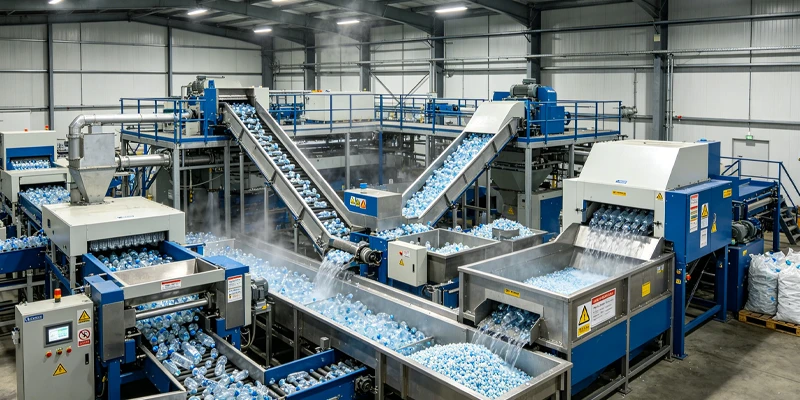
After 11 years consulting with over 180 recycling facilities across 27 countries, I can tell you one hard truth: the cheapest machine rarely delivers the best ROI. The real profit lies in full lifecycle cost, not the upfront price tag. A well-engineered PET Plastic Recycling and Washing Line can cut your operational expenses by 40% while doubling your flake value, turning a break-even business into a highly profitable one.
The Hidden ROI Killers No One Talks About
Most buyers fixate on the initial invoice and completely miss the costs that drain 60% of their profits over time. These are the three silent killers I see every day:
First, water and sewage expenses. A basic open-loop system uses 10-15 tons of fresh water per ton of processed plastic. For a 5-ton-per-day plant, that’s over $35,000 annually in water and treatment costs alone. In regions with strict environmental regulations, this number can double.
Second, unplanned downtime. I’ve seen facilities lose $2,000+ per day because a cheap crusher blade broke or a pump failed. Over a year, that’s $50,000-$100,000 in lost revenue—not counting repair costs.
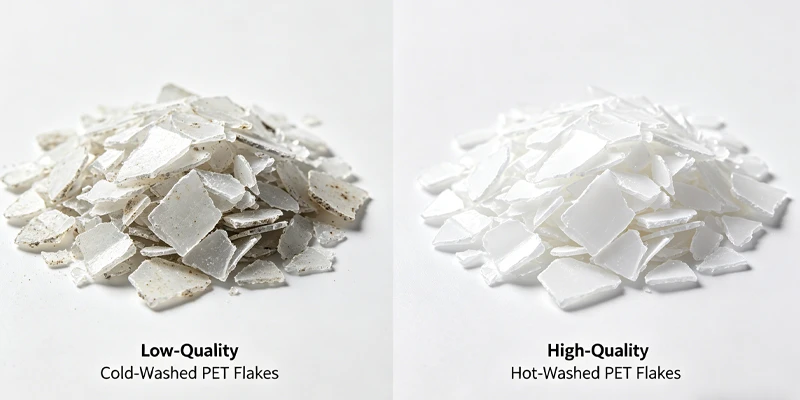
Third, flake quality penalties. The difference between low-grade cold-washed flakes ($500-$600/ton) and 3A grade hot-washed flakes ($900-$1,050/ton) is $400+ per ton. For a 1,500-ton-per-year plant, that’s $600,000 in annual revenue left on the table.
What Actually Moves the Needle on Your Profitability
After analyzing hundreds of facility financials, these four factors determine 90% of your ROI:
-
Capacity matching: Buying a 3-ton/hour line when you only have 1 ton of feedstock is the #1 mistake new investors make. Idle capacity kills returns faster than any other factor.
-
High dehydration rate: A machine that achieves 95% dehydration vs. 90% reduces your downstream drying energy costs by 30%. Over 10 years, that’s a $150,000+ savings for a mid-sized plant.
-
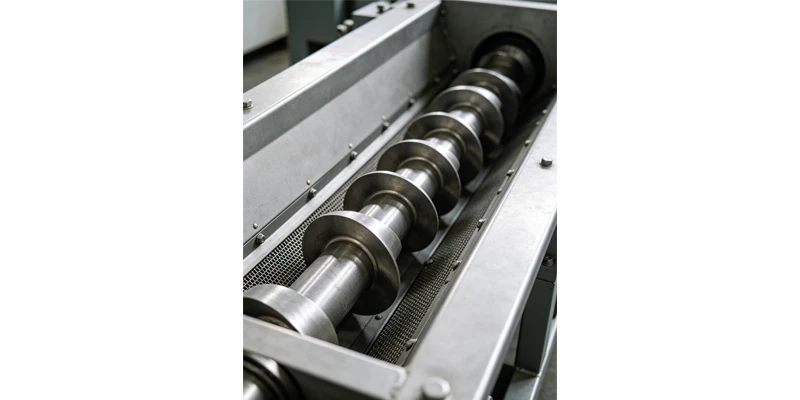
Wear-resistant components: Premium stainless steel blades last 6-8 times longer than cheap alternatives. Replacing blades monthly vs. semi-annually saves $12,000+ per year in parts and labor.
-
Closed-loop water circulation: Systems that recycle 80%+ of process water cut your water bills by 75% and eliminate most sewage disposal costs.
Comparing Market Solutions: Cheap vs. Value-Driven
Let’s cut through the marketing hype and compare the three most common options on the market today:
-
Budget import lines: These start at $150,000 for a 1-ton/hour setup. They use thin-gauge steel, cheap motors, and open-loop water systems. Expect frequent breakdowns, high utility costs, and flake quality that only qualifies for low-end fiber applications. Most last 3-5 years before needing major replacement.
-
Mid-range domestic lines: Priced from $250,000-$350,000, these offer better build quality and basic water recycling. However, they often lack precision engineering, leading to inconsistent flake quality. Service can be spotty, and replacement parts may have long lead times.
-
Premium engineered systems: These represent the sweet spot for serious investors. They feature heavy-duty construction, advanced closed-loop water circulation, and precision cleaning stages that produce food-grade compatible flakes. While initial costs are higher, they deliver 2-3x higher net profit over their 10+ year lifespan.
Rehoboth’s Approach to Maximizing Your Return
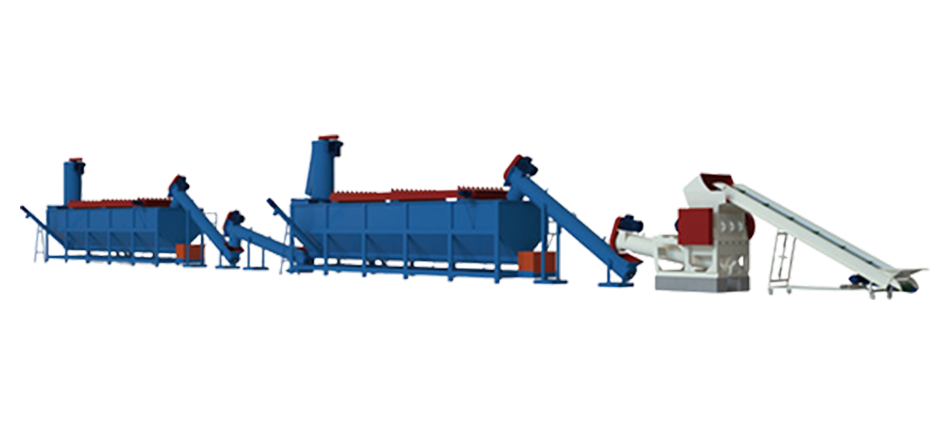
At Rehoboth, we don’t sell cookie-cutter machines. We design every system around your specific feedstock—whether it’s dirty mineral water bottles, injection-molded parts, or plastic film—and your local market conditions.
Our systems are built with:
- 304/316L stainless steel construction for corrosion resistance
- 95% efficient horizontal dewatering machines
- Water recycling systems that reuse 85% of process water
- Wear-resistant blades that last 6+ months under heavy use
- 2-year comprehensive warranty and 24/7 technical support
We’ve helped facilities across Europe, Asia, and North America reduce their operational costs by 35-45% while increasing their flake value by 40-60%. To see how our systems perform in real-world conditions.
Final Tips for Smart Investment
Before you sign any purchase order, do these three things:
- Calculate the total cost of ownership over 10 years, not just the initial price
- Ask for references from facilities that have been running the equipment for 3+ years
- Verify the manufacturer has local service support in your region
The plastic recycling industry is booming, with global demand for rPET projected to grow 4.4% annually through 2035. The right equipment will position you to capture this growth for decades to come.
For a personalized ROI analysis based on your specific feedstock and capacity needs, get a customized ROI calculation for your facility. Our engineering team will walk you through every detail and help you make the most profitable decision.


 Download
Manual
Download
Manual Video
Video



 Connect: