It’s 7:15 a.m. on a Monday, and your shift supervisor radios in frustration—again. A massive clump of wet, sticky agricultural film has wrapped itself around the shredder rotor, tripping the overload and bringing the entire recycling line to a halt. Three workers spend the next hour manually cutting out the snarled mess while bales of incoming material pile up in the yard. If this scenario feels painfully familiar, you’re fighting one of the most common yet underestimated enemies in plastics recycling: moisture-induced blockages.
Moisture is a silent productivity killer. It doesn’t just cause mechanical jams—it accelerates blade wear, disrupts material flow, and compromises the quality of your final regrind. Often, the root cause is an incomplete processing sequence that relies solely on a shredder or a dry granulator without a proper waste plastic cleaning and granulation recycling system in place. Without the right preparation, even the most robust machines get choked.
Why Wet Plastic Wreaks Havoc on Your Line
To understand why damp film or rigid containers can paralyze your operation, we need to look at the physics of size reduction. Post-consumer plastic carries surface moisture and trapped contaminants. When fed into a dry granulator or shredder, that moisture acts as an unintended lubricant, reducing the friction needed for blades to grab and shear the material effectively. Instead of clean cuts, you get mushy, stretched film that wraps around rotors and shafts. The Association of Plastic Recyclers (APR) notes in its design guidelines that surface moisture can decrease granulator throughput by up to 25% and increase blade wear exponentially.
Beyond the mechanics, wet plastic brings abrasive dirt, sand, and organic residues into the cutting chamber. These form a grinding paste that wears down screens, clogs conveyors, and leads to erratic feeding at the extruder. Many operators try to compensate by slowing down the infeed, but that eats directly into margins. The genuine fix isn’t a bigger motor—it’s reengineering the material preparation stage. More and more plants are turning to a dedicated wet film cleaning and granulation solution that conditions the material before it ever reaches sensitive cutting equipment.
The Three-Step Fix: From Soaking Waste to Uniform Pellets
If your facility handles washed post-consumer bottles, agricultural film, or industrial purge lumps, a disjointed process guarantees headaches. Here’s how a properly sequenced system eliminates wet-plastic jams at the source.
Step 1: Pre-Washing and Density Separation
Rather than feeding dripping plastic straight into a grinder, material should first pass through a pre-wash tank equipped with friction paddles. This loosens dirt and allows heavy contaminants to sink while clean plastic floats forward. Counter-flow water management ensures dirty water never recontaminates the washed fraction. By the time the material reaches the size-reduction module, it is cleaner and partially liberated, dramatically reducing the risk of wrap-around jams.
Step 2: High-Efficiency Mechanical Drying
This is where many operations fall short. After grinding, shredded flakes still hold 10–20% surface moisture. A simple screw press or vibrating screen is rarely enough. A horizontal centrifuge or a high-speed spin dryer, ideally paired with a hot-air system, can bring residual moisture below 3%. Why does this matter for jamming? Because dry flakes flow freely in pneumatic conveyors and don’t stick to mixer arms or extruder throats. Consistent drying, as recommended by ISO 15270 guidelines for plastics recycling, is essential for stable extrusion and repeatable pellet quality.
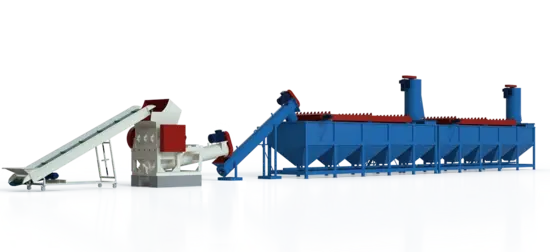
Step 3: Integrated Granulation and Controlled Feeding
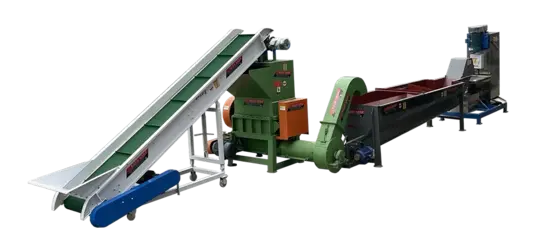
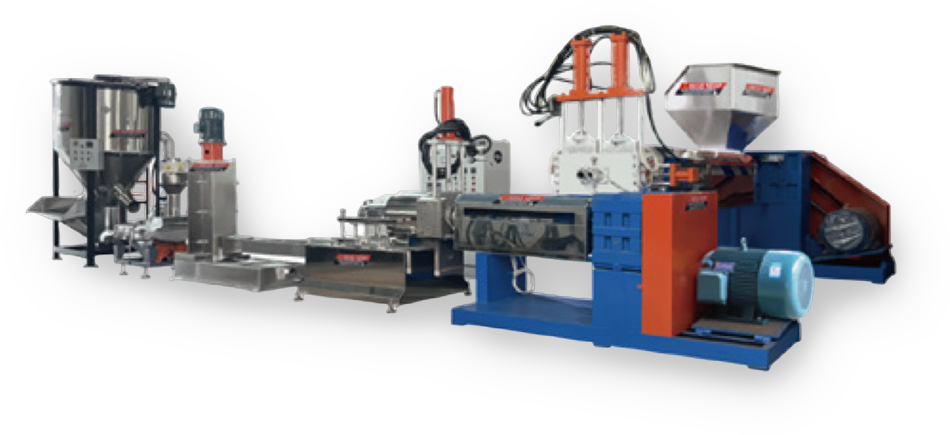
Once the material is cleaned and dried, it enters a granulator engineered for the specific bulk density of your waste stream. The cutting chamber geometry must match the material—what works for rigid HDPE may be a disaster for stretch film. After grinding, instead of manual hand-feeding, a force-feed hopper or a metering conveyor delivers a constant, controlled stream of dry flake to the extruder for pelletizing. Without moisture, the extruder can run at optimal screw speed without surging.
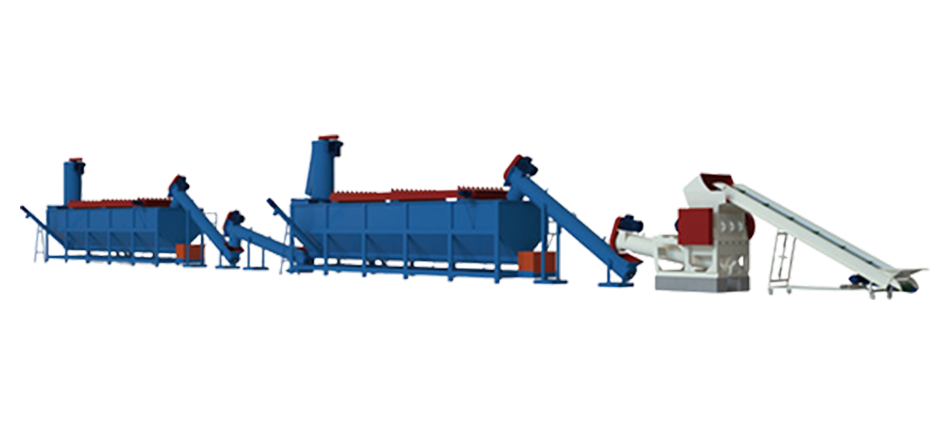
Tying these steps together is where an integrated washing and granulation line for high-moisture scrap proves its worth. Such a system eliminates the gaps where water can creep back in, and automated controls can adjust washing intensity or dryer temperature based on real-time sensor readings.
The Real-World Payoff
After transitioning to a coordinated washing and pelletizing setup, a European recycler processing soiled LDPE stretch film saw unplanned downtime drop by 70% and blade life double. The change wasn’t down to one magical machine but to how the stages were synchronized—ensuring wet plastic never directly entered the granulator. These results show that investing in a complete waste plastic cleaning and granulation recycling system repays itself quickly through restored uptime and reduced consumable costs.
Common Misconceptions That Keep You Stuck
-
“My shredder can handle wet material.” While some heavy-duty shredders can tear through damp bales, they typically produce irregular, stringy particles that create feeding issues later. You’ve only moved the problem downstream.
-
“We can just air-dry the bales for a few days.” This approach devours floor space, depends entirely on the weather, and doesn’t solve the moisture trapped inside folded film layers or bottle crevices.
-
“A bigger motor will cure the jams.” Adding torque may force the rotor through a blockage, but it accelerates wear on every component and often worsens the wrapping problem. The bottleneck is material preparation, not power.
Prevention Beyond Equipment
Even with a modern waste plastic cleaning and granulation recycling system, operational discipline seals the deal. Train your intake team to inspect loads and reject suspiciously wet or heavily contaminated batches. Keep wash water at a controlled temperature—warmer water lowers oil viscosity and eases label removal. Schedule blade clearance checks religiously; a dull knife dramatically increases jamming tendencies. Finally, use a portable moisture meter on outgoing flakes to catch dryer inefficiencies before they cause a stoppage.
Stop Fighting Moisture—Engineer It Out
If you’re spending too many mornings cutting snarled film out of your machines, it may be time to move beyond piecemeal fixes. Rehoboth specializes in building processing lines that handle wet, contaminated waste streams as a matter of routine, integrating washing, drying, and granulation into one reliable workflow. Their Rehoboth’s robust wet plastic reprocessing systems are designed with heavy-duty components, intelligent controls, and a clear focus on maximizing uptime—so your line can run while others are still clearing jams. On the website, you can review technical specifications, throughput capacities, and real-world case studies that show what a purpose-built system can achieve.


 Download
Manual
Download
Manual Video
Video



 Connect: