A mid-sized recycler in Mexico learned a $450,000 lesson last year. Seduced by a high-capacity, multi-stage hot washing system with every available add-on, they believed they were "future-proofing" their business. The reality? Their primary feedstock was 90% post-industrial LDPE film, relatively clean and homogenous. The over-engineered line consumed 40% more power and water than necessary, and the excessive residence time in the heated friction washers actually degraded the polymer chains, reducing the pellet quality. Their payback period stretched from a projected 2.5 years to over 5. This isn’t a story of a bad machine; it’s a story of a plastic washing plant over-specification mismatch that nearly capsized a viable business.
The allure of a "complete" system is a powerful trap. In the recycling industry, we often equate more washing stages, higher motor power, and extra redundancy with better quality and lower risk. We speak with engineers daily who struggle with this exact dilemma: where is the line between robust capacity and destructive over-investment? The key isn't to buy the absolute best technology on the market; it's to buy the most appropriate technology for your specific waste stream. If you are in the early stages of planning and feel the pull toward over-engineering, you may want to explore a consultative approach to system configuration before making capital commitments.
Where Over-Specification Lurks: The Three Most Common Traps
Understanding why we over-specify is the first step to avoiding it. It usually stems from three cognitive biases in procurement:
-
The "Just-in-Case" Redundancy Trap. Adding a second friction washer for "extra cleaning" when the first one already achieves below the 2% contamination target. This doesn't just add capital cost; it adds operational complexity, maintenance points, and energy consumption without value addition.
-
The "All-Material" Flexibility Trap. Designing a line to handle everything from heavily printed agricultural film to rigid HDPE crates. A jack-of-all-trades system is a master of none. The water temperature, chemical dosing, and residence time for deinking PP are fundamentally different from removing organic waste from PE. Trying to do both on one line results in mediocre performance on all fronts.
-
The "Bigger-is-Better" Throughput Trap. Specifying a 2,000 kg/hr line when your reliable, year-round supply chain is capped at 1,200 kg/hr. Running a thermal and mechanical system at 60% capacity creates a nightmare of process control, with fluctuating torque curves and inefficient drying cycles.
Matching the Line to the Feedstock: A Scientific Approach
Instead of starting with the machine catalog, start with a brutally honest audit of your feedstock. We classify input material across four vectors: contamination type, contamination level, polymer variety, and physical form. For a washing and mechanical recycling line, the decision tree should be driven by these factors, not by a sales brochure.
1. The Cold Wash vs. Hot Wash Decision
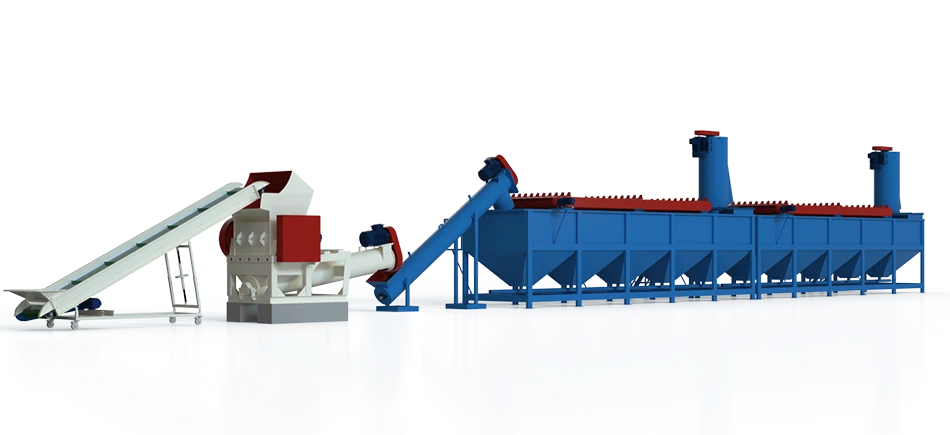
This is the most critical fork in the road. A hot washing system, often integrating a waste plastic cleaning and granulation recycling system with heated friction washers and chemical dosing tanks, is a powerful tool for removing oils, glues, and heavy organic residues. However, it adds roughly 25-35% to the capital and operational expenditure.
A simple rule of thumb: if your material passes a visual contamination check (i.e., no visible grease, food residue, or adhesive layers), a high-performance cold wash with optimized friction and residence time is almost always the more profitable choice. We have seen recyclers processing post-industrial PE stretch film consistently achieve 99.5% purity with an advanced cold wash system, avoiding the energy cost and polymer degradation risks of unnecessary thermal treatment.
2. The Sink-Float System: Simple vs. Multi-Stage
For mixed plastics, sink-float separation is non-negotiable. But its complexity must scale with the difficulty of separation. A single stream of bottle-grade PET with polyolefin caps requires a straightforward, highly efficient two-tank design. Specifying a multi-stage, hydrocyclone-enhanced sink-float system here is a classic mistake. Conversely, for a complex mix of automotive shredder residue, that complexity is essential. The key performance indicator (KPI) here isn't "number of tanks," but "separation efficiency per dollar of operational cost."
The Hidden Cost of the "Gold-Plated" Plant
The cost of over-specification goes far beyond the initial equipment price tag. These hidden operational costs erode margins permanently:
-
Energy and Resource Intensity: A modular system for rigid HDPE can operate efficiently with a total installed power of under 350 kW. An over-specified line handling the same material might easily push past 500 kW, representing a recurring annual energy cost difference that can exceed $50,000.
-
The Maintenance Burden. Every gearbox, bearing, and thermal element is a future maintenance event. Reducing complexity directly reduces your maintenance team's workload and your spare parts inventory holding cost.
-
Process Water Complexity. Excessive washing stages create a water treatment problem. A more complex, contaminated water matrix requires a larger, more expensive water treatment plant to match. The two systems are inseparable, and over-specifying one cascades into the other.
Before finalizing your configuration, it’s extremely valuable to review detailed technical specifications for modular components to understand how different modules can be combined and scaled.
The Modular Solution: Pay for What You Need Now
The antidote to over-specification is a genuinely modular design philosophy. This doesn't mean just being able to add units in a straight line; it means the control system, electrical infrastructure, and mechanical connections are pre-engineered for future integration without requiring a complete rebuild.
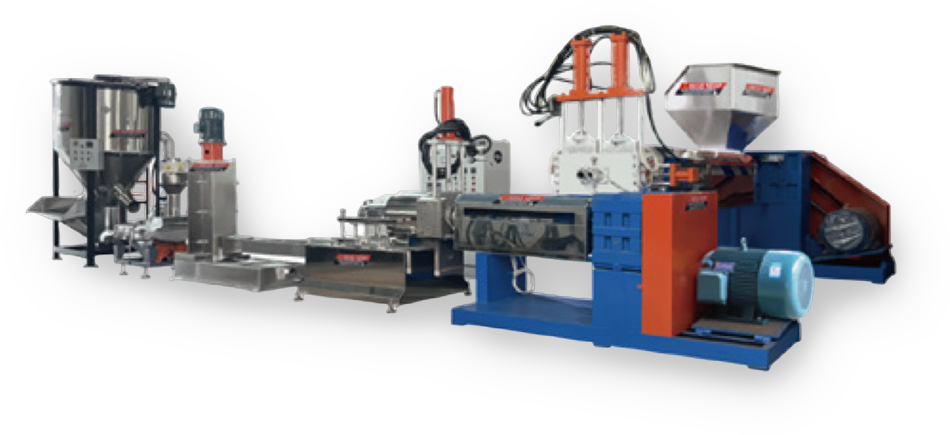
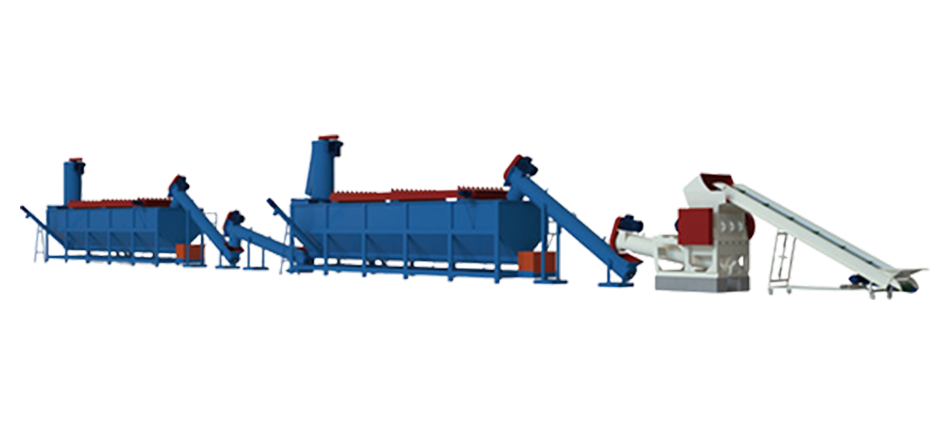
Consider a recycler starting with clean, post-industrial PE. They can begin with a high-efficiency shredder, a cold friction washer, a dewatering screw, and a direct pelletizing unit. A complete but lean waste plastic cleaning and granulation recycling system can be commissioned quickly, generating revenue immediately. As their market evolves and they begin sourcing post-consumer film with printed labels, the modular design allows them to seamlessly "plug in" a hot washing module and a label removal trommel between the cold wash and the granulator. They are upgrading a revenue-generating asset, not re-engineering a white elephant. This approach dramatically accelerates the breakeven point. If you're considering the long-term flexibility of your investment, getting a customized modular configuration blueprint can provide a clear roadmap for phased growth.
When is "Over-Specifying" Actually Future-Proofing?
It’s important to provide a balanced view. There are two scenarios where a degree of "over-building" is a strategic choice, not a mistake:
-
Motor and Drive Train Headroom. Specifying a direct-drive extruder with 20% more torque capacity than currently required is not over-specification; it’s intelligent engineering. This allows for processing more viscous materials later without stalling and extends the life of the drives by preventing them from running continuously at their absolute limit.
-
Core Structural Integrity. Conveyor frames, washer tank steel gauges, and centrifuge rotor components should be robust and corrosion-resistant. Investing in the "backbone" of the system minimizes structural fatigue and extends the plant’s life beyond 20 years, regardless of the modules installed.
A smart investor over-builds the platform (the structure and drives) but standardizes the process (the specific washing modules). This is the opposite of buying a fully-loaded, fixed configuration. For a deeper dive into how to distinguish between structural robustness and process overkill, you might want to explore an engineering-led assessment of your project needs.
Conclusion: Right-Sizing as a Competitive Advantage
In the current recycling market, margin compression is the new normal. The winners will not be those with the biggest, most complex plants, but those who achieve the lowest operational cost per kilogram of prime-spec pellet produced. A precisely tuned, right-sized waste plastic cleaning and granulation recycling system becomes a core competitive moat, protecting your profitability against market volatility.
Rehoboth’s approach centers on this principle of right-sizing. Rather than pushing a standard, maximalist configuration, our engineering teams work from a granular analysis of your specific feedstock sample and intended final application. The objective is to design a phased, scalable system that hits your purity targets today without tomorrow's speculative costs. This translates into a leaner operation, a faster path to full production capacity, and a more defensible business model.


 Download
Manual
Download
Manual Video
Video



 Connect: