Walk into any plastics processing facility, and you’ll see the same silent profit leak: scrap. Off-cuts, rejected parts, and purge material pile up. For many, this is just a disposal cost. But forward-thinking operators see something else—a secondary raw material waiting to be reborn.
The bridge between "waste" and "value" is efficient size reduction and densification. While shredders and crushers handle the first step, transforming loose flakes into uniform, marketable raw material requires a specialized process. This is where a high-performance pelletizing system becomes the centerpiece of a circular economy strategy.
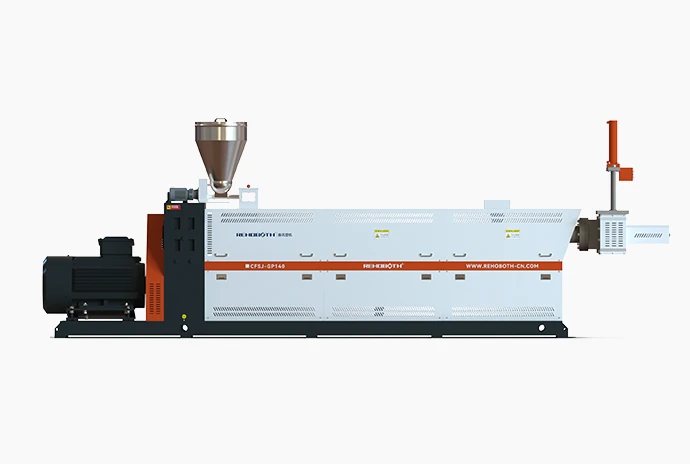
Instead of focusing on a single piece of machinery, let’s explore the top five operational scenarios where a reliable plastic granulation unit delivers the most impact. These real-world applications will help you evaluate what type of system fits your material stream.
Is Your Plastic Waste Strategy Profitable? A Reality Check
1. In-House Recycling: Turning Production Scrap into Immediate Value
For film extrusion, injection molding, or blow molding plants, edge trim and start-up scrap are daily realities. The most profitable route? Reintroducing this material directly back into the production line. However, feeding fluffy, loose grind from a standard granulator can cause "bridging" in hoppers and inconsistent melt.
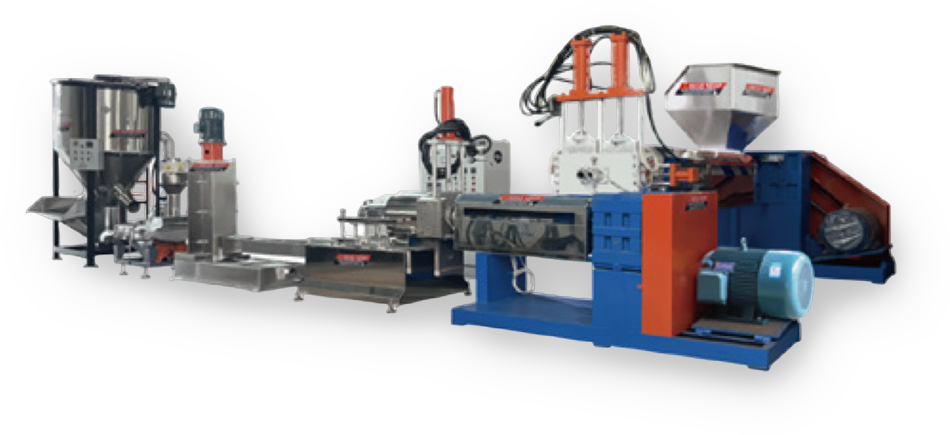
A dedicated inline recycling pelletizing solution is designed to handle low-bulk-density materials—like film strips or thermoforming skeletons—and convert them into free-flowing, dense pellets. These pellets blend seamlessly with virgin resin, allowing you to use up to 30% recycled content without altering product characteristics.
-
Common pain point solved: Screw slippage caused by fluffy regrind.
-
Expert tip: Look for systems with a forced-feed mechanism (like a stuffer screw) when processing film or fiber scrap. This ensures consistent throughput and reduces operator intervention.
2. Post-Consumer Rigid Plastic Recycling (Bottles, Containers, Pails)
This is the most common application people think of. After sorting, washing, and shredding post-consumer HDPE or PP bottles, you end up with washed flakes. The challenge? These flakes often have varying moisture levels, inconsistent sizes, and can contain remnants of labels or adhesives.
A post-consumer focused plastic reclaim system must handle these variations. Modern systems integrate a dewatering screw before the extrusion stage and often use a vacuum vent to remove moisture and volatiles during melting. The result is high-density pellets (washed recycled flakes) suitable for making new bottles, pipes, or pallets.
A critical success factor here is the filtration system. Processing recycled rigid waste requires a robust melt filter to remove contaminants (aluminum rings, labels, dirt) without clogging every five minutes. A poorly designed filter can turn an efficient line into a maintenance nightmare.
3. Industrial Film and Agricultural Plastic Recovery (Stretch Wrap, Silage Film)
Post-industrial LDPE/LLDPE film (stretch wrap, pallet cover) and agricultural film (silage, greenhouse) are notoriously difficult to pelletize because of their high surface area and low bulk density. Feeding such material directly into a standard extruder is like trying to sink a foam boat—it just floats on the screw.
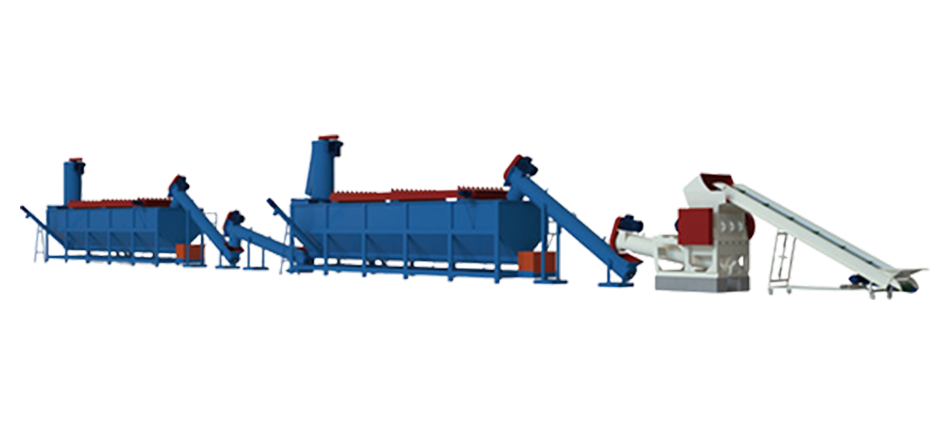
Specialized wet recycling systems for film often incorporate a pre-washing and friction washer setup. However, for dry or lightly contaminated film, a cutter-compactor integrated into the pelletizer is the industry standard. This unit uses friction heat to pre-heat, dry, and densify the film into a molten mass before feeding it to the extruder screw.
-
Key performance indicator: Throughput stability. A good system maintains constant amperage on the extruder motor, even when film input density fluctuates.
-
Industry insight: According to a 2023 report from the Association of Plastic Recyclers, film recovery rates remain below 20% globally, largely due to processing difficulties. A dedicated pelletizing line can turn this challenge into a high-margin niche.
4. E-Waste and Post-Shredder Residue (ABS, HIPS, PC)
Recycling plastics from waste electrical and electronic equipment (WEEE) is a complex, high-stakes application. Materials like ABS (from monitor housings), HIPS (from TV backs), and PC (from laptop cases) are highly valuable engineering plastics. However, they often contain brominated flame retardants, metal inserts, and multiple layers of paint.
Processing these requires a different approach. First, the material must be accurately separated (often via density or near-infrared sorting). Then, a heavy-duty pelletizing system designed for high-abrasion materials is necessary. The screw geometry must be tailored to each specific polymer type to prevent degradation.
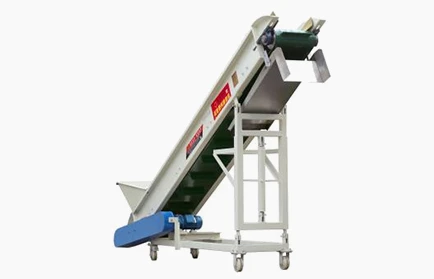
Operating tip for e-waste: Always test your specific material blend. Contamination from a single batch of unknown plastic can ruin an entire production run. Work with a supplier that offers material testing services to validate your feedstock.
5. Multi-Material Flexible Packaging (The "Mixed Polyolefin" Challenge)
Flexible packaging—the colorful plastic pouches for snacks, detergent, or pet food—is the frontier of advanced recycling. These are multi-layer laminates (PET/Alu/PE or similar). Mechanical recycling of these streams is difficult, but "upcycling" into lower-grade products like plastic lumber, pallets, or drainage pipes is a booming application.
For this use case, you aren't aiming for food-grade purity. The goal is homogenization. A co-rotating twin-screw pelletizer is often the best fit here, offering superior mixing and degassing for multi-material streams. The resulting pellet can be a consistent blend, ready for injection molding of non-critical items.
How to Choose the Right System for Your Use Case
The "best" equipment isn't the one with the highest throughput—it's the one that matches your specific material type, contamination level, and output quality goal.
| Feature / Need | In-House Scrap | Post-Consumer Rigid | Film / Agricultural | E-Waste / WEEE | Multi-Material Flex |
|---|---|---|---|---|---|
| Primary Feedstock | Rigid off-cuts, sprues | Bottles, pails, crates | Stretch wrap, silage film | ABS, HIPS, PC housings | Laminated pouches, trim |
| Key Challenge | Fluffy material bridging | Moisture & label residue | Low bulk density & feeding | Abrasion & flame retardants | Incompatible layers |
| Critical Feature | Forced feeder / Cutter-compactor | Dewatering & vacuum vent | Cutter-compactor integration | Heavy-duty screw (high wear) | Twin-screw mixing & degassing |
| Output Use | Same production line | New bottles, pipes, sheet | New film, plastic lumber | New electronics parts | Pallets, construction profiles |
Even within the same category, small differences (like moisture content above 8% or presence of aluminum) can derail a line. The most common mistake is focusing on price per kilogram of throughput, rather than operational stability per shift.
Setting Up for Long-Term Success
To ensure your pelletizing operation runs profitably for years, avoid these three common missteps:
-
Under-sizing the motor: A motor that runs at 95% load continuously will fail quickly. Aim for a operational range of 60-75% of max load.
-
Ignoring after-sales support: Does the supplier stock wear parts (screens, knives, screw elements) locally? Downtime of one week can cost more than the spare parts.
-
Skipping operator training: The best equipment will fail if an operator doesn't understand melt temperature limits or how to clean a screen pack properly.
If you are looking for a partner that provides not just machinery but also process expertise and reliable wear parts support, it's worth exploring how REHOBOTH configures pelletizing solutions for complex waste streams. A system tailored to your specific application will always outperform a generic one.
Final Takeaway
Plastic recycling is no longer just an environmental duty—it is a strategic economic activity. Whether you are recycling your own production scrap or processing difficult post-consumer waste, the right pelletizing technology transforms a liability into an asset. Focus on your material's unique properties, test before you invest, and prioritize operational stability over raw throughput numbers.
What is the most challenging plastic waste stream in your facility? The answer to that question should always be your starting point.
Disclaimer: Performance results vary based on material composition, contamination levels, and operational practices. Always conduct material testing with a qualified supplier before final equipment selection.


 Download
Manual
Download
Manual Video
Video



 Connect: