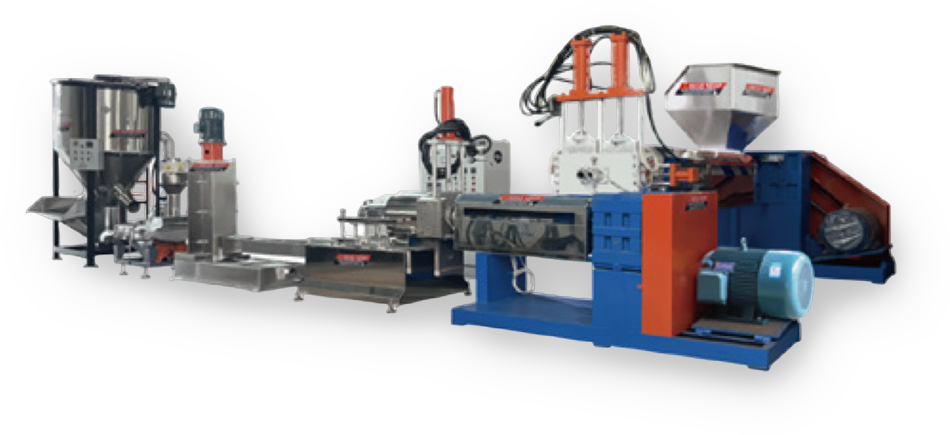
Our plastic pelletizers feature unique screw designs and various configurations. Modelsinclude single-screw, conical twin-screw, and parallel twin-screw models. These pelletizersare suitable for recycling and color-mixing most common waste plastics, including PP, PE, PS.ABS, PA, PVC, PC, POM, EVA, LCP, PET, and PMMA.
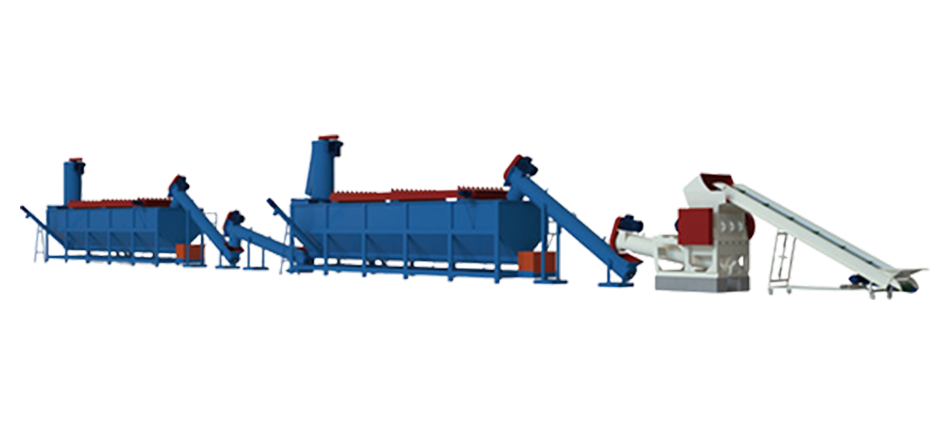
The REHOBOTH cleaning line is not merely a simple decontamination step, but a self-sustaining micro-ecosystem operating within your facility. We not only clean plastics but also purify every byproduct generated during the cleaning process, transforming the cost center of “pollution” into your environmental competitiveness and compliance assurance.
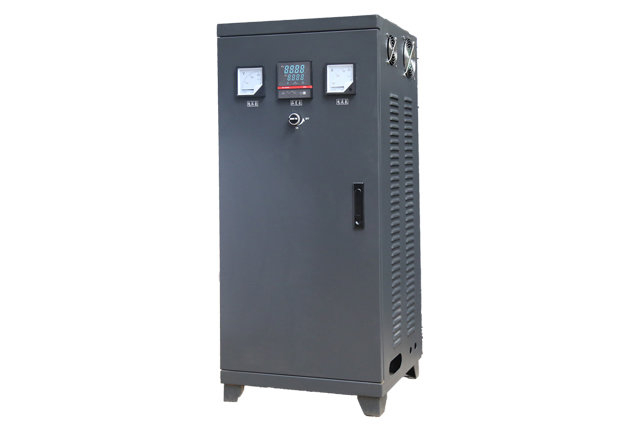
Electromagnetic heating equipment is mainly used for material heating, melting and heat tracing in industrial production, cooking, steaming and stewing in commercial catering, daily cooking, hot water supply and indoor heating in civil life, as well as raw material drying and process constant temperature in the field of new energy and environmental protection.
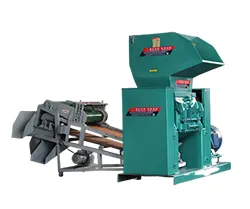
Shredders flexibly process a wide range of plastic types into graded, recyclable materials. With customizable rotor designs and specialized cutting tools, they effectively shred thermoplastics such as PE, PP, PVC, PS, PU, and PET, as well as various thermosets and elastomers. These smaller waste plastics can then be efficiently pelletized for reuse.
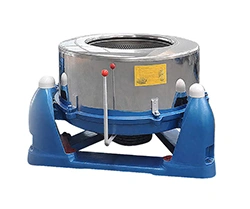
Utilizing low dew point dehumidification and heat pump technology, this system achieves rapid drying with high energy efficiency, ensuring extremely low moisture content in PET, PP, and other sheet materials. This provides the perfect foundation for high-quality pelletization.
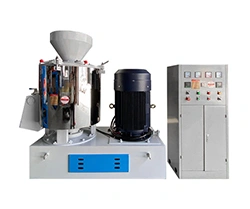
Through a unique three-dimensional hybrid motion, the masterbatch and additives achieve molecular-level uniform distribution in the shortest possible time, significantly reducing cycle times and energy consumption while minimizing color variation in the final product.
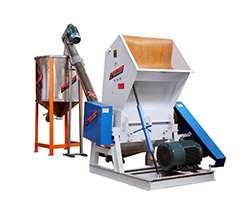
Utilizing low dew point dehumidification and heat pump technology, this system achieves rapid drying with high energy efficiency, ensuring extremely low moisture content in PET, PP, and other sheet materials. This provides the perfect foundation for high-quality pelletization.
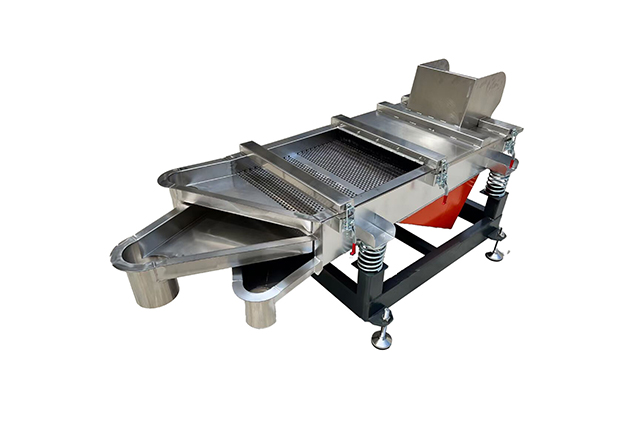
Quick Answer: To size a plastic recycling system correctly, start by calculating the saleable output you need per shift, not the rated capacity printed on a spec sheet. Then confirm that your feedstock polymer type and contamination level match the line configuration. Finally, estimate power cost using the installed motor power, expected utilization rate, and your local electricity tariff—not the peak nameplate figure. The three decisions are interconnected: material form drives capacity derating, and both determine energy demand. This guide walks through each step with practical formulas, comparison tables, and a pre-purchase checklist.
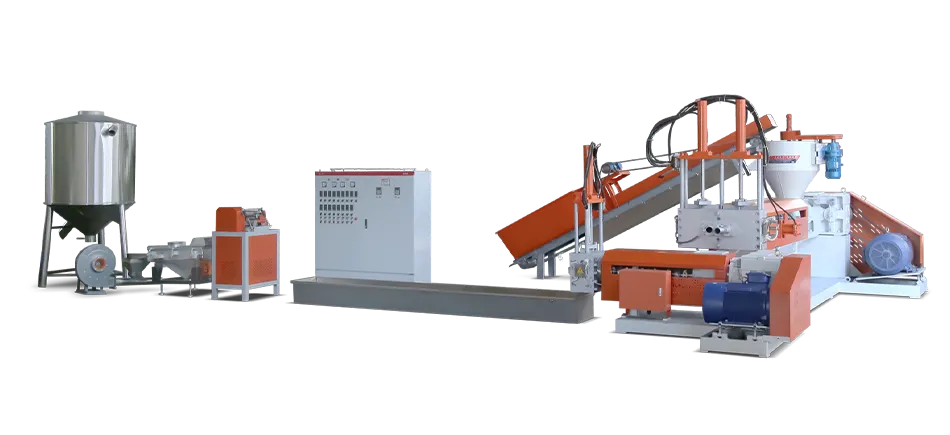
Equipment spec sheets often list a single capacity number in kg/h. That number typically represents the highest throughput achievable under ideal laboratory conditions with a specific reference material. In real production, several factors reduce actual output:
Industry guidance suggests planning for an equipment utilization rate of approximately 70–80% of nameplate capacity in commercial operations. A common recommendation is to size the system for current peak volume plus a 20–30% margin for future growth, avoiding a capacity-limited retrofit during your first expansion cycle.
The capacity calculation formula:
Required line output (kg/h) = Target saleable output per shift ÷ Effective production hours per shift
Adjusted rated capacity = Required line output ÷ (Utilization rate × Material factor)
The material factor accounts for how easily a given feedstock reaches the rated throughput. A dense, clean, uniform regrind may achieve 0.85–0.95 of rated capacity; a wet, printed film with mixed polymers may only achieve 0.50–0.70. These figures vary by equipment configuration and should be verified through representative material trials.
Plastic recycling systems are not universal. Material compatibility depends on polymer type, physical form, contamination profile, and moisture content.
Polymer compatibility overview:
| Polymer family | Typical forms | Key processing concern | Compatible line family |
|---|---|---|---|
| PE / PP film & bags | Blown film, woven bags, stretch film | Low bulk density, moisture, printing ink, volatile removal | Film plastic recycling line |
| Rigid PE / PP / PS / ABS / PA | Bottles, crates, injection parts, pipes | Particle consistency, contaminants, screen loading | Rigid plastic recycling pelletizer |
| PET (bottle-grade) | Washed flakes from upstream process | Moisture control, thermal history (IV degradation) | PET plastic recycling pelletizer |
| Mixed polyolefins | Post-consumer mixed rigid or film | Density separation, polymer compatibility | Washing line + granulation system |
| Heavily contaminated post-consumer | Mixed plastics, paper, metal, glass | Multi-stage sorting, washing, separation | Cleaning and granulation recycling system |
Polyolefins (PE and PP) are generally compatible with each other but have distinct melting points and viscosities. Blending them without proper compatibilization can lead to inconsistent pellet quality. PET and PVC are particularly problematic together—PVC degrades at PET processing temperatures and can cause black specks and acid formation. Polystyrene is often incompatible with polyolefins, leading to delamination in the final pellet.
Before finalizing a line configuration, verify the following material characteristics:
REHOBOTH provides dedicated line families for film, rigid, and PET feedstocks, with configuration options for pretreatment, feeding, extrusion, filtration, and pellet cutting. The correct configuration depends on your specific polymer type, contamination level, and required pellet output. You can explore the available configurations on the waste plastic recycling and granulation system overview page.
Electricity is typically the largest recurring operating cost in a plastic recycling line. Understanding how to estimate it before purchase prevents surprises after installation.
Sum the rated motor power of all major driven components: shredder/crusher, extruder main motors (single or multi-stage), screen changer hydraulics, pelletizer motor, conveyors, blowers, dryers, and water pumps. This total appears in the equipment specification sheet.
Installed power is not continuous consumption. Motors operate at partial load depending on throughput and material. A practical estimation approach uses the specific energy consumption (SEC) expressed in kWh per kg of output. Published figures for plastic recycling pelletizing systems generally fall in the range of 0.2–0.4 kWh/kg of finished pellet, depending on material, moisture, and line configuration. For a 500 kg/h line, this translates to approximately 100–200 kW of actual average power draw.
Annual energy cost = SEC (kWh/kg) × Annual output (kg) × Electricity tariff ($/kWh)
Example calculation (illustrative):
This is an estimation framework. Actual consumption depends on material, moisture, operating discipline, and line configuration. Buyers should request specific energy consumption data from the supplier and verify it with a representative material trial.
Energy-saving note: REHOBOTH's rigid plastic recycling and washing line incorporates variable frequency drives (VFDs) on motors and electromagnetic heating in the extrusion section. The product page states that electromagnetic heaters offer energy efficiency gains of approximately 30%–70% compared to traditional resistance heating coils. These figures are from the product specification and should be verified against actual operating conditions.
Use this checklist when evaluating a plastic recycling system:
| # | Check item | What to verify |
|---|---|---|
| 1 | Feedstock polymer type | Single polymer, compatible blend, or mixed/unknown |
| 2 | Material form | Film, rigid, flake, woven bag, or mixed |
| 3 | Bulk density | Measured loose bulk density in kg/m³ |
| 4 | Moisture content | As-received and target after drying |
| 5 | Contamination profile | Labels, ink, sand, metal, adhesive, organics |
| 6 | Required pellet quality | Contamination limit, moisture target, IV retention (PET) |
| 7 | Required output | Saleable kg/h per shift, with 20–30% growth margin |
| 8 | Operating schedule | Effective hours/day, days/year |
| 9 | Available power supply | Installed capacity vs. site electrical capacity |
| 10 | Water supply and drainage | Flow rate, quality, recycling plan, discharge requirements |
| 11 | Floor space and height | Layout constraints for feeding, extrusion, pelletizing |
| 12 | Local environmental requirements | Emissions, wastewater, noise regulations |
| 13 | Wear part supply plan | Availability, lead time, cost of blades, screens, bearings |
| 14 | Maintenance access | Can all service points be reached safely? |
| 15 | Representative material trial | Request trial with your actual feedstock before purchase |
For a detailed review of system types and configuration options, visit the waste plastic recycling and granulation system category page. If your process requires washing before pelletizing, the cleaning and granulation recycling system page provides a comparison of washing line configurations.
Start by working backward from your target monthly output. Estimate the average contamination level and moisture content based on supplier data or trial samples. Apply a conservative material factor of 0.60–0.70 to the rated capacity until you have test data. This provides a safer planning basis. Once you confirm the actual material, you can refine the capacity requirement.
Not typically in the same configuration. Film requires compaction or densification before extrusion due to low bulk density, while rigid regrind feeds directly into the extruder. Attempting to process both on a single line usually means compromising throughput and pellet quality for one or both materials. Dual-purpose configurations exist but require careful evaluation and often dedicated feeding sections.
Wear parts and downtime. Blades, screens, and barrel/screw components wear at rates that depend on material abrasiveness, contamination level, and throughput. A maintenance schedule built around your actual production data—not a generic supplier checklist—helps predict replacement intervals and avoid unplanned stops. Power cost is the largest continuous operating expense, but wear part management directly affects uptime and labor efficiency.
Not always. Some operations sell clean, dry flakes directly to downstream processors. However, pelletizing offers advantages in bulk density, handling convenience, and consistent feeding for the buyer's process. The decision depends on your target market and whether your buyers require pellets or accept flakes.
Request a trial run with your representative feedstock. Define the measurement boundary (e.g., saleable pellet output at the end of the line, not crusher feed rate) and specify the required quality parameters. A capacity guarantee should be tied to a defined material specification and operating condition. Capacity should be verified as stable, acceptable finished output under defined conditions—not by the highest short-term feed rate.
Request the equipment specification sheet with motor power details, a general arrangement drawing for layout planning, a wear parts list with replacement intervals, and the recommended spare parts inventory for the first year of operation. For food-contact PET recycling, confirm that the line design and documentation address the relevant food-safety requirements for your target market.
Sizing a plastic recycling system correctly comes down to three interconnected decisions: how much saleable output you need, whether your material fits the line configuration, and what the power cost will be. Start with the output requirement, not the equipment capacity. Confirm material compatibility with representative samples. Estimate energy cost using specific energy consumption figures and your local tariff. Avoid the common mistake of selecting a line based on its highest rated capacity without accounting for real-world material factors and utilization rates.
Before finalizing any configuration, request a technical review with your actual material data. You can discuss your material and production requirements with the REHOBOTH technical team to confirm the appropriate line family and capacity range.
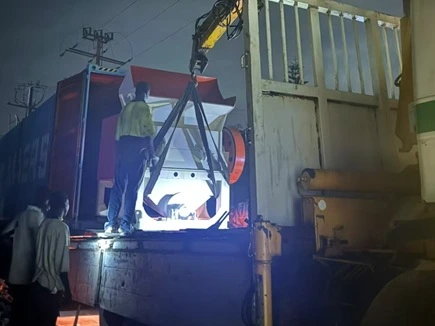
REHOBOTH recently completed the delivery and commissioning of a complete plastic recycling line for a customer in Togo. The order includes waste plastic cleaning, crushing, and granulation equipment. The delivered equipment is now in normal operation at the customer’s facility.
The customer recycles post-consumer plastics, including rigid containers, films, and PET bottles, and needed a turnkey system to convert mixed plastic waste into high-quality recycled pellets. Before delivery, REHOBOTH’s technical team reviewed the feedstock conditions—polymer types, contamination levels, moisture content, and target output—and configured the line to match the customer’s requirements.
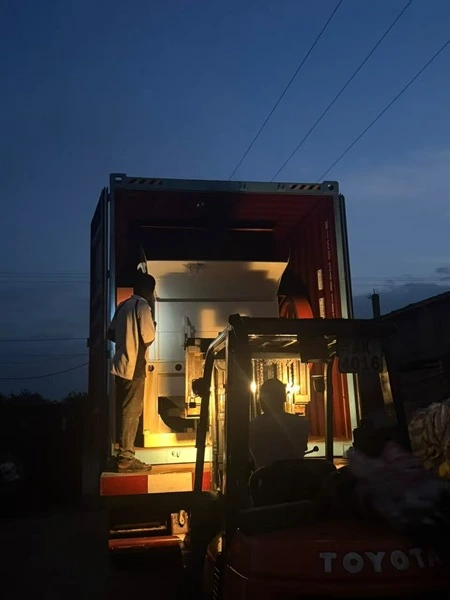
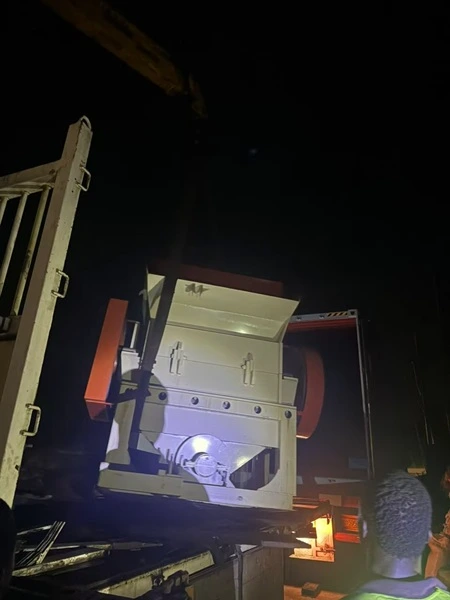
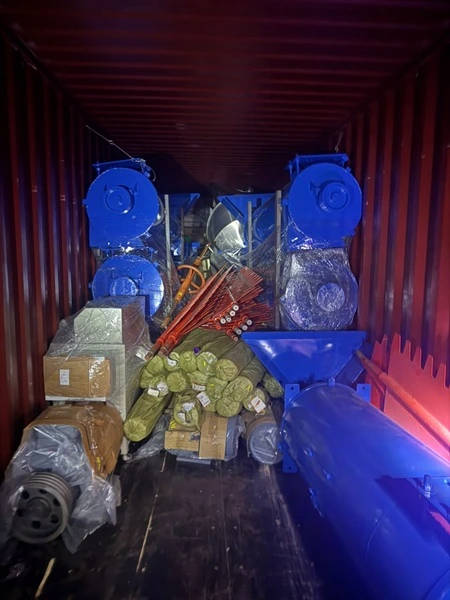
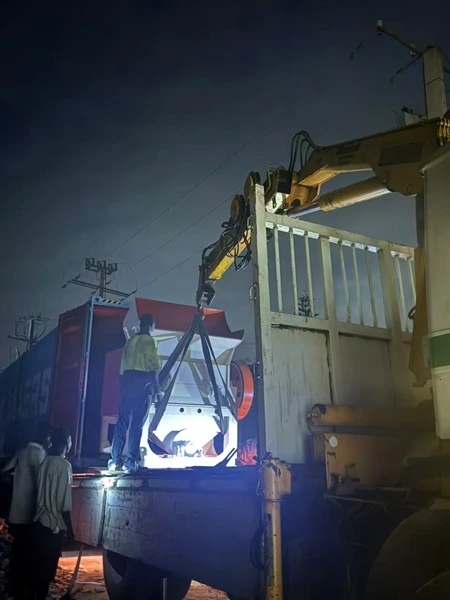
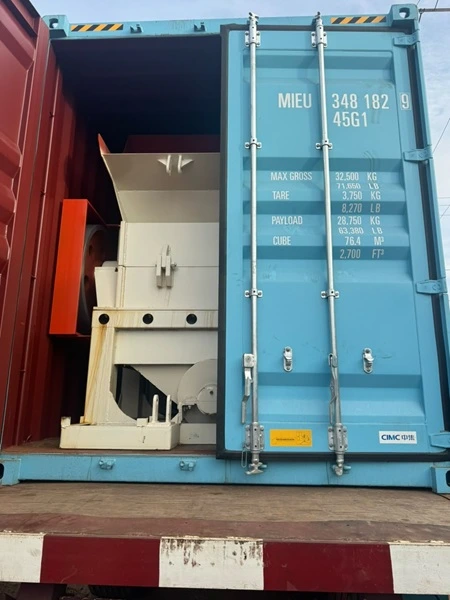
Waste Plastic Cleaning and Granulation Recycling System
The core system is a closed-loop cleaning and granulation line. It includes sorting, crushing, de-metallization, hot and cold washing, high-efficiency friction washing, and drying. The closed-loop water circulation reduces water consumption and disposal costs while helping the recycled flakes meet high-end market standards.
Crusher and Shredder
The line is equipped with size-reduction equipment for rigid plastics and films. The crusher uses a 37KW motor, six rotary blades, and four fixed blades for continuous and consistent size reduction.
Rigid Plastic Recycling and Washing Line
For rigid plastic waste, the system includes a crusher, screw washer, washing tank, material lifting dewatering machine, and horizontal dryer. The screw washer is driven by a 7.5KW motor, and the horizontal dryer uses an 18.5KW motor for efficient moisture removal.
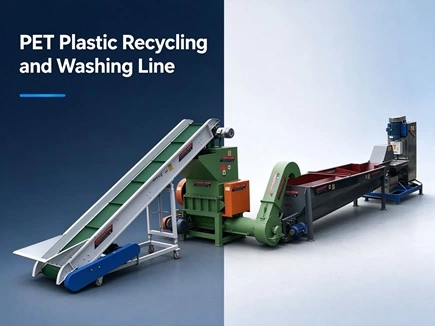
PET Plastic Recycling and Washing Line
For PET bottles, the line includes a flat bottle picking conveyor, label remover, conveyor system, crusher, water tank, and horizontal dewatering machine. The dewatering machine reaches a 95% dehydration rate, preparing clean and dry flakes for granulation.
Auxiliary Equipment and Spare Parts
The delivery also includes conveyors, loaders, silos, and precision-engineered spare parts. These auxiliary units are designed for integration with the main line, reducing installation time and supporting smooth operation. Standardized screws, barrels, and filters are available for fast shipping and reduced downtime.
The equipment uses electromagnetic heating, which can save approximately 30%–70% energy compared with traditional resistance heating coils. Variable frequency drives (VFDs) are used in the drive system to adjust motor output according to production requirements.
The granulation system uses screws made of 38CrMoAlA alloy steel with a hardness of HV ≥950. The main machine is equipped with a ZLYJ450 gearbox and a 180KW motor, while the second machine uses a ZLYJ315 gearbox and a 75KW motor. These components support stable performance during continuous operation.
REHOBOTH provides installation, testing, and training for the Togo customer, along with user manuals for operation and maintenance. The customer also receives after-sales support including a 2-year warranty, 24-hour online service, and annual global service tours. REHOBOTH’s sales team supports English, Spanish, and Russian, and the company works with global agencies to provide localized support.
This delivery is one of REHOBOTH’s recent orders. For more information about plastic recycling and granulation solutions, please visit or contact the international sales team.
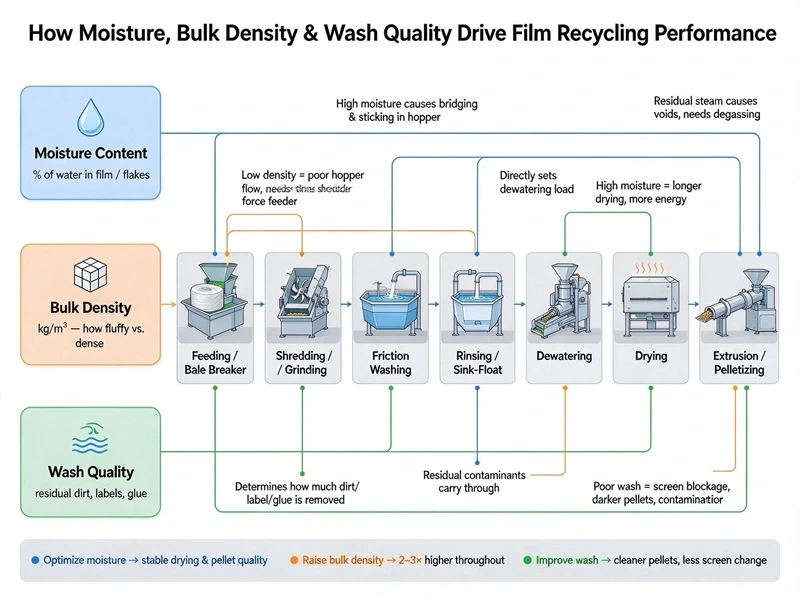
When selecting a PE/PP film recycling line, three variables drive most configuration decisions: incoming moisture content (which affects drying requirements and degassing), bulk density (which determines feeding system design and compaction needs), and wash quality (which influences downstream filtration, pellet consistency, and end-use suitability). Buyers should measure these three parameters on representative feedstock samples before comparing equipment options. This guide explains how each variable affects line design and what to verify with a supplier.
PE and PP film scrap presents challenges that rigid plastics do not: it is light, bulky, prone to wrapping around rotating parts, and often carries surface moisture and contamination that are difficult to remove. A film recycling line configured around a fixed equipment list—rather than around the actual condition of the incoming material—risks unstable feeding, inconsistent pellet quality, and higher operating costs.
Understanding how moisture, bulk density, and wash quality interact allows buyers to ask more precise questions during technical selection and compare supplier proposals on a like-for-like basis.
PE/PP film scrap can carry moisture from several sources: outdoor storage, post-consumer washing, humid ambient conditions, or residual water from upstream cleaning stages. Film also holds water in folds and between layers, making mechanical dewatering less efficient than for rigid flakes.
Excessive moisture at the extruder inlet leads to:
Bubbles and voids in pellets — trapped moisture vaporizes during extrusion, creating internal defects
Unstable extrusion pressure — moisture flashes to steam, causing surging and inconsistent melt flow
Increased energy demand — the extruder must work harder to compensate for cooling effects of vaporization
Higher filtration load — moisture can carry fines and contaminants into the screen changer
For suitable PE film feed with a correctly configured drying route, final moisture before pelletizing is typically planned around approximately 3–5%. Actual results depend on incoming moisture, film thickness, and the specific drying equipment installed.
| Stage | Purpose | Typical Moisture After Stage |
| Squeezing / mechanical dewatering | Remove bulk surface water | 5–10% (varies by film form) |
| Thermal drying (hot air) | Reduce residual surface moisture | 1–5% before extrusion |
| Degassing at extruder | Remove moisture vaporized in melt | Controlled by vacuum or atmospheric venting |
Key selection question: What moisture level does the line need to achieve before pelletizing, and what drying stages are included to reach it? Buyers should confirm the moisture target with their supplier based on the specific film feedstock and the required pellet quality.
For lines that connect washing and granulation, the drying stage is often the most overlooked component. A line with excellent washing but insufficient drying will produce the same pellet quality issues as a line with poor washing.
PE/PP film in its loose form typically has a bulk density around 0.08–0.3 g/cm³ depending on film thickness, whether it is baled or loose, and moisture content. This is significantly lower than rigid regrind, which affects how material flows through the line.
Low bulk density creates two practical problems:
Volumetric feeding becomes unreliable — at low and variable bulk density, a fixed volume of material contains an unpredictable mass of plastic, leading to inconsistent extruder loading
Screw conveying is inefficient — light film tends to bridge, wrap, or float rather than feed consistently
Gravimetric feeding systems, which measure material by weight rather than volume, are often used for recycling lines handling fluffy materials to maintain stable throughput and consistent product quality.
Many film recycling lines include a densification or compaction stage before extrusion. This mechanically increases bulk density by squeezing or agglomerating the film, improving feeding stability and reducing the risk of wrapping.
| Feeding Approach | Suitable Bulk Density Range | Considerations |
| Direct screw feeding | Higher bulk density, more uniform material | Limited effectiveness for very light film |
| Compaction / densification | Low bulk density film | Adds a process stage; requires correct sizing |
| Gravimetric feeding | Variable bulk density | Higher capital cost; improves consistency |
Key selection question: What is the measured bulk density of the feedstock, and does the proposed feeding system account for variability in that density?
Wash quality in a film recycling context is not a single number. It includes:
Surface contamination removal — dirt, sand, and organic residue
Label and adhesive removal — particularly relevant for post-consumer film
Residual moisture after washing — the bridge between washing and drying performance
Fines and paper content — materials that can clog filters or degrade pellet quality
Poor wash quality does not only affect pellet appearance. It directly impacts:
Screen changer frequency — higher contamination means more frequent screen changes and downtime
Degassing performance — volatile residues from incomplete washing can cause bubbles
Pellet consistency — unremoved contamination can create color variation and weak points
Film is particularly challenging because its surface area is high relative to its weight, and water can be trapped between layers. A washing system designed for film needs anti-wrapping features and friction washing stages that can handle light, flexible material.
| Stage | Function |
| Pre-washing / wet grinding | Initial contamination removal; size reduction |
| Friction washing | Intensive surface cleaning |
| Rinsing | Removal of loosened contaminants |
| Mechanical dewatering | Bulk water removal |
| Thermal drying | Final moisture reduction before pelletizing |
Key selection question: What contamination types and levels are present in the feedstock, and which washing stages are included to address them?
Moisture, bulk density, and wash quality are not independent. They interact in ways that affect the overall line design:
Moisture affects bulk density — wet film is heavier and may feed differently than dry film
Wash quality affects moisture — more washing stages mean more water to remove later
Bulk density affects drying efficiency — denser material may dry differently than loose film
A line that performs well on one variable may struggle on another if the configuration is not balanced. This is why supplier discussions should address all three together, using representative material samples.
Use this checklist when evaluating a PE/PP film recycling line proposal:
Q: What moisture level should PE/PP film have before pelletizing?
A: For suitable PE film feed with a correctly configured drying route, final moisture before pelletizing is typically planned around 3–5%. Actual targets depend on the specific polymer, film form, and required pellet quality. Buyers should confirm the moisture specification with their supplier based on representative material testing.
Q: Can I run PE and PP film on the same recycling line?
A: PE and PP have different melting behaviors and processing temperatures. While some equipment can handle both, running them together may affect pellet consistency. Many operators run them as separate campaigns with appropriate process adjustments between runs.
Q: What happens if bulk density is too low for the feeding system?
A: If bulk density is lower than the feeding system is designed for, the extruder may receive inconsistent material flow, leading to surging, unstable melt pressure, and variable pellet quality. Densification or a different feeding approach may be required.
Q: How often should I expect to change screen changer filters on a film line?
A: Screen change frequency depends on contamination level, filter mesh size, and throughput. Higher contamination and finer filtration generally require more frequent changes. The washing quality directly affects how often screens need to be changed. Buyers should discuss expected screen change intervals with their supplier based on their specific feedstock.
Q: Is wash quality only about appearance?
A: No. Wash quality affects filtration load, degassing performance, and final pellet consistency. Incomplete removal of labels, adhesives, or organic matter can cause black specks, bubbles, or weak points in the final pellets.
Q: How do I measure bulk density for my film feedstock?
A: Bulk density is typically measured by filling a container of known volume with the material and weighing it, following a standardized procedure. The measurement should be done on representative material at the moisture condition expected during production. Suppliers may request this data to size the feeding system correctly.
Selecting a PE/PP film recycling line is not a matter of comparing equipment lists. The three variables that drive the most important configuration decisions—moisture content, bulk density, and wash quality—should be measured on actual feedstock before technical discussions begin.
The most common mistake buyers make is providing vague feedstock descriptions (“clean PE film” or “mixed film scrap”) without quantifying these three parameters. This leads to proposals that look comparable on paper but perform very differently in practice.
If you are evaluating a film recycling line, start by testing your material for moisture and bulk density, and documenting contamination types. Then explore the cleaning and granulation system configurations that match your feedstock conditions, or discuss your material and production requirements with a technical team that can confirm the appropriate line design.


 Connect:
© Ruian Chunfeng Plastic Machinery Co., Ltd All Rights Reserved.